I’ll be straight with you. When I first heard about acupressure mats, I thought they were another piece of wellness gear that would end up gathering dust in a cupboard. I run The Tranquil Mind here in Worcester, offering sound baths, breathwork, and yoga nidra sessions. I’m used to helping people unwind with gongs and guided relaxation, but a mat covered in thousands of plastic spikes? It sounded more like a medieval torture device than a tool for deep calm.
But over the past six months, I’ve used the Shakti Premium Acupressure Mat nearly every day. It’s become a staple in my own wind-down routine and something I now recommend to clients. This review is my honest, grounded experience – sceptical at the start, properly won over by the end.
What Is the Shakti Acupressure Mat?
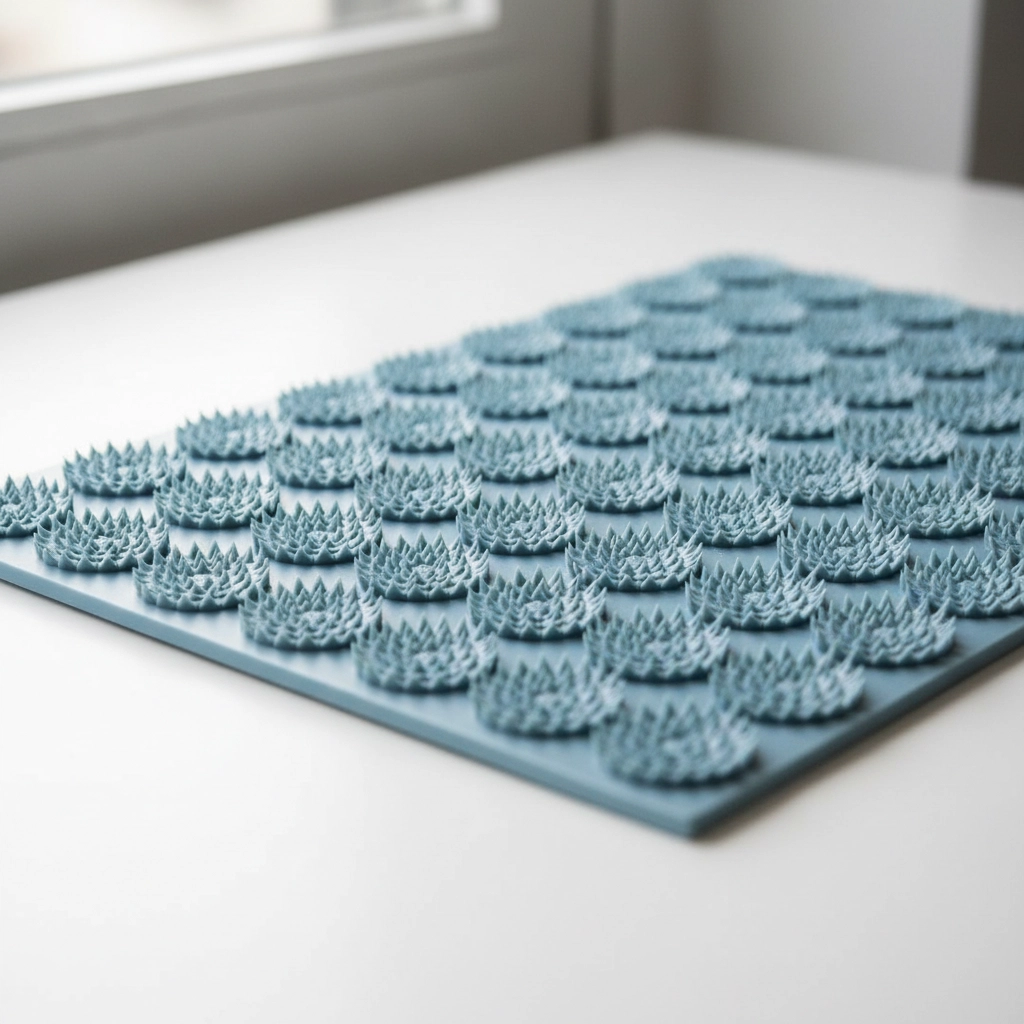
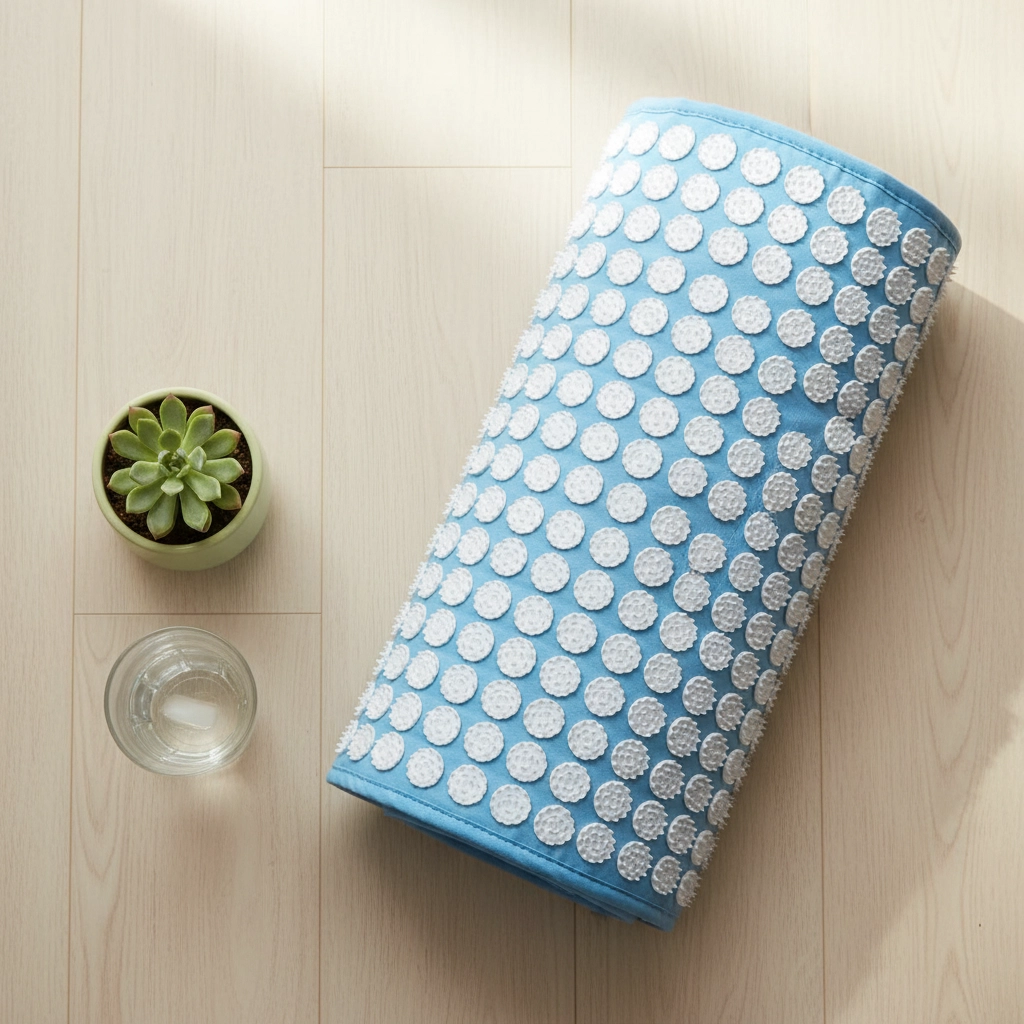
The Shaktimat is an acupressure mat covered with thousands of small, pyramid-shaped plastic spikes. Unlike acupuncture, which uses needles to pierce the skin, this mat applies pressure to specific points on your body to stimulate nerve responses. The concept draws from traditional Chinese medicine, where applying pressure to certain points can trigger the release of endorphins and promote healing.
Each mat contains over 6,000 pressure points designed to target tension areas when you lie on it. The spikes might look intimidating at first glance, but they're carefully engineered to distribute your body weight evenly, creating a sensation that's intense but not harmful.
My First Impressions: The Reality Check- Ouch, Then Ahh
The Shakti mat arrived in a compact box. As I write this, it costs £99 as sold by Shakti Mat UK. The mat itself is about the size of a yoga mat, covered in rows of firm plastic spikes. According to the brand, it’s based on ancient Indian and traditional Chinese medicine practices. The mat first launched in 2014, so it’s been around for a while. I lay down on it wearing a thin t-shirt on my first try. Honestly? It hurt. The spikes press into the back with a sharp, prickly sensation that takes some getting used to.
Healthline describes acupressure mats as “uncomfortably comfortable,” and I’d agree. The first few sessions were more “uncomfortable” than “comfortable.” But I persisted, starting with just five minutes a day. By the end of the first week, the prickling shifted into a warm, tingling feeling. After about ten minutes, I felt a sort of buzzy relaxation that lingered long after I got up.
Getting Used to the Spikes
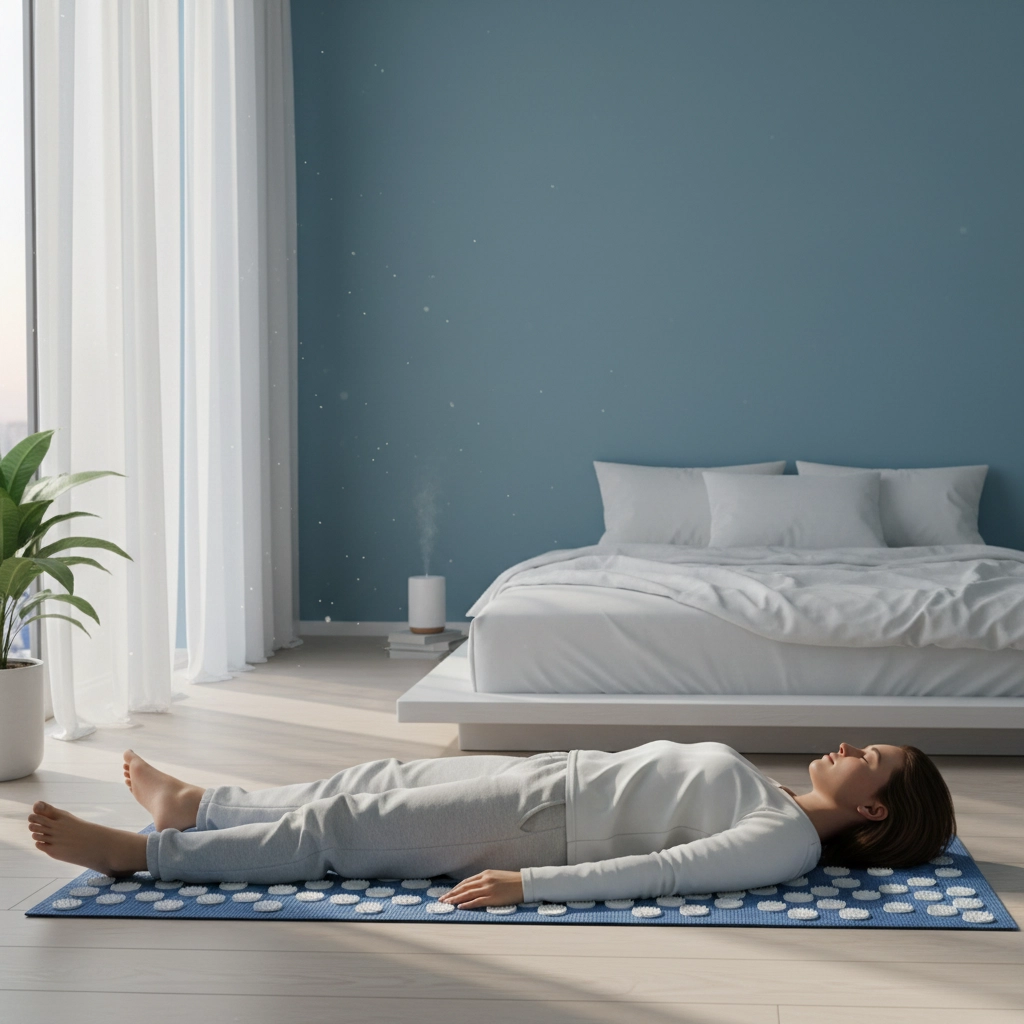
It helps to place the mat on a firm surface – a carpet or yoga mat works well. I started with a thin layer of clothing, then gradually moved to bare skin. A Good Housekeeping reviewer noted that after two weeks of consistent use, the mat helped relieve stubborn tension and soothe sore muscles. That matched my experience. By week three, I was lying on it for 15 to 20 minutes without discomfort, and my lower back felt noticeably looser after my sound bath setup sessions – setting up gongs and bowls can be surprisingly physical.
One Trustpilot reviewer mentioned that the spikes were too sensitive for the recipient’s skin, and the return was handled in a friendly manner. It’s not for everyone. If you have very sensitive skin, you might want to try it with a thin towel first. But for most people, the initial sharpness fades quickly.
The Benefits I’ve Noticed
After a few months of consistent use, I started to see real shifts. A Reddit user described the mat as relaxing, improving mood, reducing anxiety, and seeming to erase weird body pains – and I’d echo that. I sleep better on nights I use the mat before bed. A Guardian article quoted users saying the mat makes them “relaxed AF” and that their sleep metrics improve after use. While I don’t track sleep data that closely, I definitely feel a deeper, more settled quality to my rest.
A Cosmopolitan review from 2025 said the mat alleviated stiffness and left a nice zingy feeling, with improved post-use relaxation. That “zingy” feeling is spot on. After a session, my muscles feel looser and my mind feels quieter – like the afterglow of a sound bath, but earned through gentle pressure rather than vibration.
How I Use the Shakti Mat Alongside My Practice at The Tranquil Mind
In Worcester, I guide clients through conscious connected breathwork, yoga nidra, and sound baths with gongs and crystal bowls. These practices are all about shifting the nervous system out of fight-or-flight into rest-and-digest. The Shakti mat fits perfectly into that theme.
I often lie on it for ten minutes before departing to lead a sound bath. It helps me centre myself, release any tension in my shoulders or lower back, and arrive fully present for the group. I’ve also used it after a long forest bathing walk at local woodlands – the combination of fresh air, quiet nature, and then the mat’s pressure feels deeply restorative.
Some clients ask about at-home practices to support their sessions. I now mention the Shakti mat as a simple, non-electrical tool they can use between our meetings. It’s especially useful for people who struggle to sit still for meditation but can lie down comfortably while the mat does its work.
Shakti Mat vs Cheaper Alternatives
A common question is whether the official Shakti mat is worth the £99 price tag when cheaper acupressure mats are available. Healthline notes that it’s OK to buy cheaper models. But a YouTube comparison video asserts that the Shakti mat is higher quality, better built, and likely to last longer than fake versions.
I haven’t tested knock-offs myself, but the build quality on the Shakti mat is excellent. The spikes are uniform, the padding is comfortable, and after six months it shows no signs of wear. If you’re on a tight budget, a cheaper mat might do the job, but if you want something that will hold up to daily use, the investment makes sense.
What the Research Says (and Doesn’t Say)
The Good Housekeeping article states that research on acupressure mats is limited, but some studies support pain-relieving and stress-melting benefits. Most of the evidence is anecdotal – people reporting that it helps them. I’m a believer in anecdotal evidence when it’s consistent across hundreds of thousands of users. The official Shakti Mat website reports a 4.8 out of 5 star rating from 38,467 reviews and a 97% recommendation rate. That kind of consensus is hard to ignore.
But I want to be clear: the mat is not a medical device. It won’t cure chronic pain, insomnia, or anxiety on its own. It’s a complementary tool, best used alongside other practices like breathwork, sound therapy, or gentle movement. If you have a serious condition, speak to your GP first.
Frequently Asked Questions
How long should I use the Shakti mat each day?
Most people start with five to ten minutes and build up to 20 minutes daily. There’s no standardised guideline, but the mat’s instructions recommend 20 to 30 minutes per session. Listen to your body – if it feels too intense, start shorter and use a thin layer of clothing.
Can I use the Shakti mat if I have sensitive skin?
Some users find the spikes too sharp, especially on bare skin. You can place a thin towel or sheet between you and the mat to reduce intensity. If the discomfort persists after a few sessions, the mat may not be right for you. The seller handles returns in a friendly manner if needed.
Does the Shakti mat help with sleep?
Many users report improved sleep quality after using the mat in the evening. Anecdotal evidence from Reddit, Trustpilot, and the Guardian suggests it can help you relax and fall asleep more easily. I personally find it prepares my body and mind for a deeper night’s rest.
Is the Shakti mat better than cheap knock-offs?
Based on YouTube comparisons and my own experience, the authentic Shakti mat is higher quality, better built, and likely to last longer than counterfeit versions. Cheaper mats may work for occasional use, but the investment in the official mat seems worth it for daily, long-term use.
Can I combine the mat with sound baths or breathwork?
Absolutely. I use it before leading sound baths to release physical tension and centre my mind. Lying on the mat during a guided breathwork or yoga nidra session can enhance the relaxation response. It’s a simple addition to any quiet, introspective practice.
If you’re curious about trying a Shakti mat for yourself, I’ve arranged an exclusive 10% discount for readers. Use my affiliate link at https://www.shaktimat.co.uk/ian to get a special offer. I only recommend products I genuinely use and believe in, and this mat has earned its place in my daily routine. Whether you’re a sound bath enthusiast, a breathwork beginner, or just someone who spends too long hunched over a desk, it’s worth giving the spikes a fair chance.
Start slow, stick with it, and you might just be surprised at how good “uncomfortably comfortable” can feel.
Recent Comments