As I write this on Sunday afternoon to send you Solstice Blessings, something rather magical is happening outside my Worcester window. At precisely 3:03 PM today, the Earth reached its winter solstice. The longest night/shortest day of the year his here, which means something beautiful: from this exact moment, the light starts its slow journey back to us.
There’s something profoundly moving about marking this astronomical turning point. I’ve been thinking about how our ancestors understood this rhythm so intimately, how they built entire belief systems around honouring the darkness whilst celebrating the promise of returning light. Today feels like the perfect moment to explore these ancient solstice blessings and what they might mean for our modern lives.
The Science Behind the Sacred
The winter solstice isn’t just spiritual poetry (though it certainly is that). It’s a precise astronomical event that occurs when the Earth’s axial tilt reaches its maximum distance from the Sun in the Northern Hemisphere. According to NASA’s calculations, this creates our shortest day and longest night of the year.
What strikes me most about this moment is the immediacy of change. Whilst temperatures will continue dropping for weeks due to what scientists call “seasonal lag”, the daylight itself begins returning instantly. Each sunrise will edge slightly earlier, each sunset slightly later. It’s as if nature hits a cosmic pause button, takes a breath, then slowly begins its dance back towards spring.
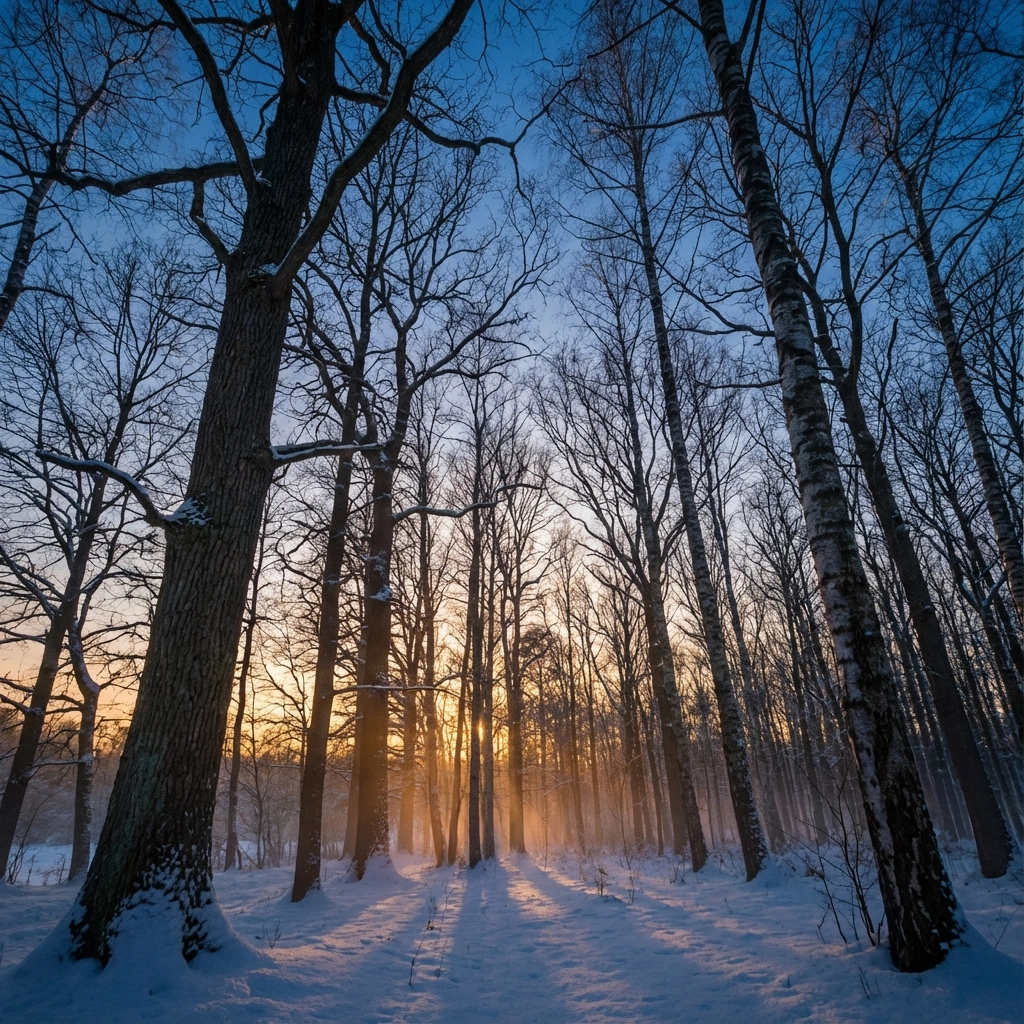
For those of us living at higher latitudes like here in the UK, this shift carries particular weight. During December many years ago, I remember visiting friends in Scotland and being amazed by how dramatically different their winter light experience was compared to Worcester. The solstice marks either the end of those incredibly short days or, for polar regions, the first glimmering promise of the sun’s return on the horizon.
Ancient Wisdom in Modern Times
Long before Christianity adopted December 25th, cultures across the globe were marking this turning point with elaborate celebrations. The Romans had their Saturnalia, the Germanic tribes celebrated Yule, and Celtic peoples observed what they called “Alban Arthan” – the light of winter.
These weren’t simply parties (though I imagine they were brilliant fun). They were profound acknowledgements of humanity’s relationship with natural cycles. Our ancestors understood something we’ve partly forgotten in our climate-controlled, artificially-lit world: we are deeply connected to the rhythm of light and darkness.
The pagan traditions that carried over into our modern Christmas celebrations are everywhere once you start looking. The evergreen trees we bring indoors, the candles we light, the wreaths we hang on doors. These aren’t random decorations; they’re ancient symbols of life persisting through winter’s darkness. Even the tradition of gift-giving has roots in solstice celebrations, when communities would share resources to ensure everyone survived the harsh winter months.
I find it fascinating that the word “Yule” itself comes from the Old Norse “jól”, meaning wheel. The ancients saw the year as a great wheel turning, and the solstice as the moment when that wheel completes its revolution and begins again. There’s something deeply comforting about this cyclical understanding of time, isn’t there?
Personal Practices for Welcoming the Light
This year, I’ve been thinking about how to meaningfully mark this solstice beyond just acknowledging it intellectually. There’s something our ancestors knew about creating ritual around significant moments that I think we’ve lost in our busy modern lives.
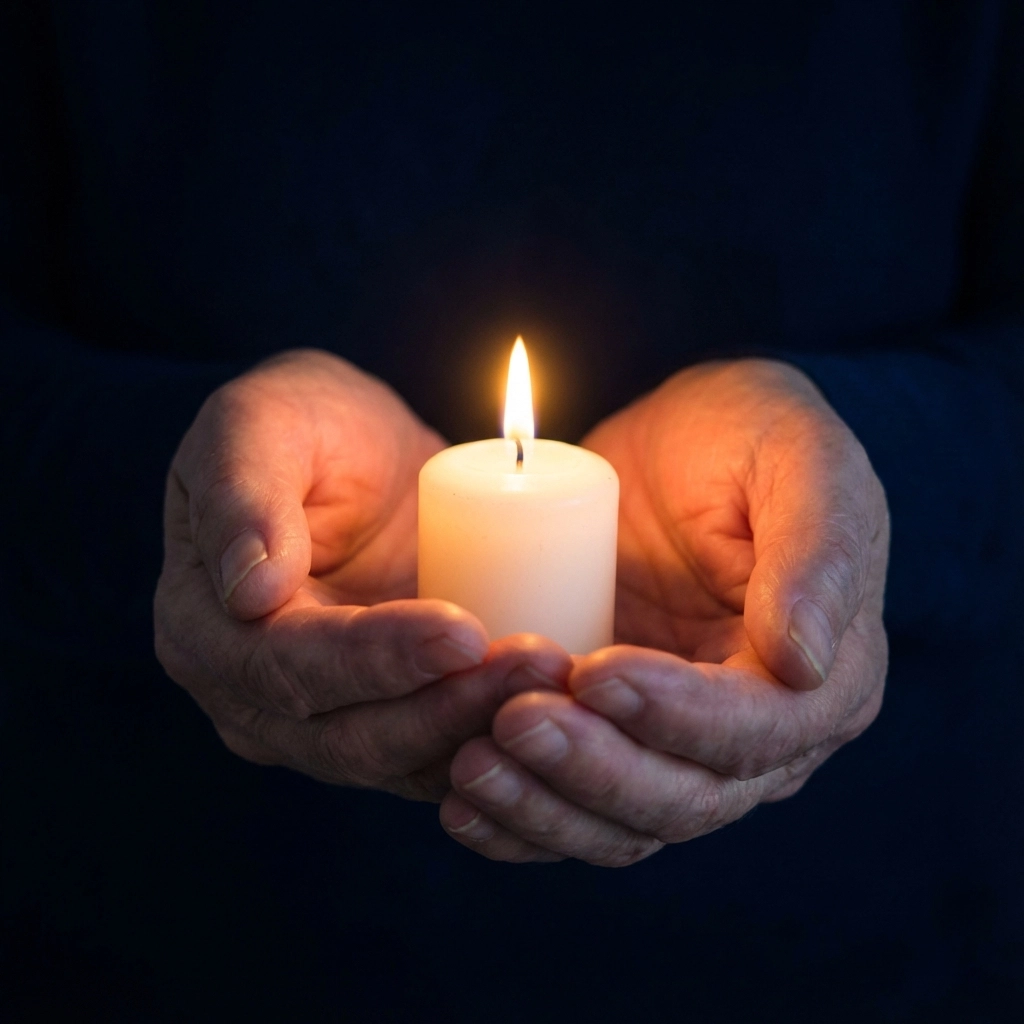
One practice I’ve adopted comes from my meditation sessions here at The Tranquil Mind. Tonight, I’ll be sitting quietly as darkness falls, simply observing the transition. Not trying to fix anything or achieve a particular state, just witnessing this cosmic turning point. There’s a traditional meditation practice that involves sitting with the darkness before lighting a single candle, symbolically participating in the return of light.
Another meaningful way to mark solstice blessings is through nature connection. Despite the cold, I plan to spend some time outside today, perhaps practicing a form of forest bathing adapted for winter. There’s something powerful about being present with the natural world during these threshold moments.
Many people create what’s called a “solstice altar” – a simple arrangement of evergreen branches, candles, stones, or other natural objects that represent the season. It doesn’t need to be elaborate or follow any particular tradition. The act of consciously creating sacred space seems to be what matters most.
## Solstice Blessings in Community and Solitude
One thing that strikes me about traditional solstice celebrations is how they balanced community gathering with individual reflection. The long nights invited introspection, whilst the shared rituals strengthened social bonds during the challenging winter months.
This year, I’ve noticed more people in Worcester talking about solstice celebrations. There’s something happening in our collective consciousness, a pulling back towards these older rhythms. Perhaps it’s a response to the increasing pace and disconnection of modern life. Maybe we’re rediscovering that marking natural cycles gives us a sense of grounding that our always-on, artificial world struggles to provide.
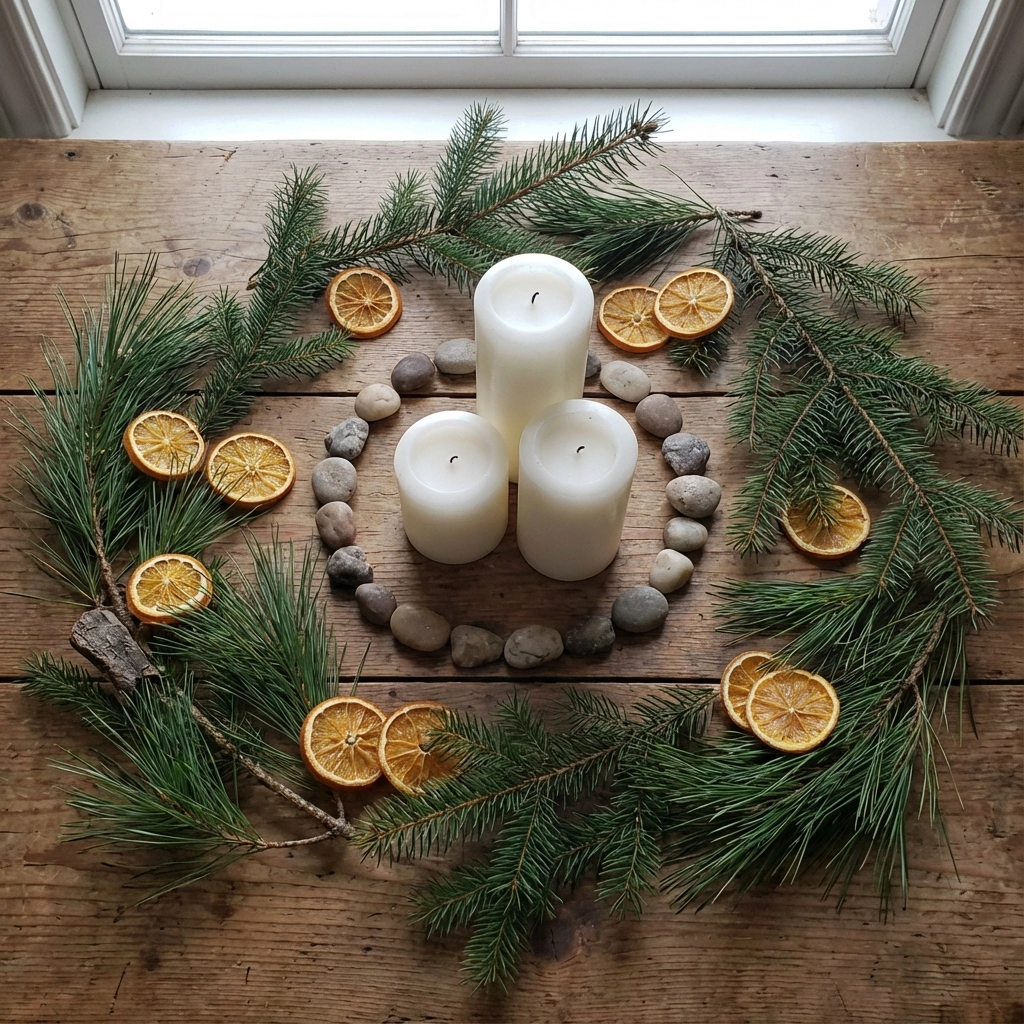
For those celebrating in solitude, the solstice offers a beautiful opportunity for reflection. What do you want to release with the dying light? What intentions do you want to plant in the returning light? I’ve found that asking these questions without immediately trying to answer them can be surprisingly illuminating.
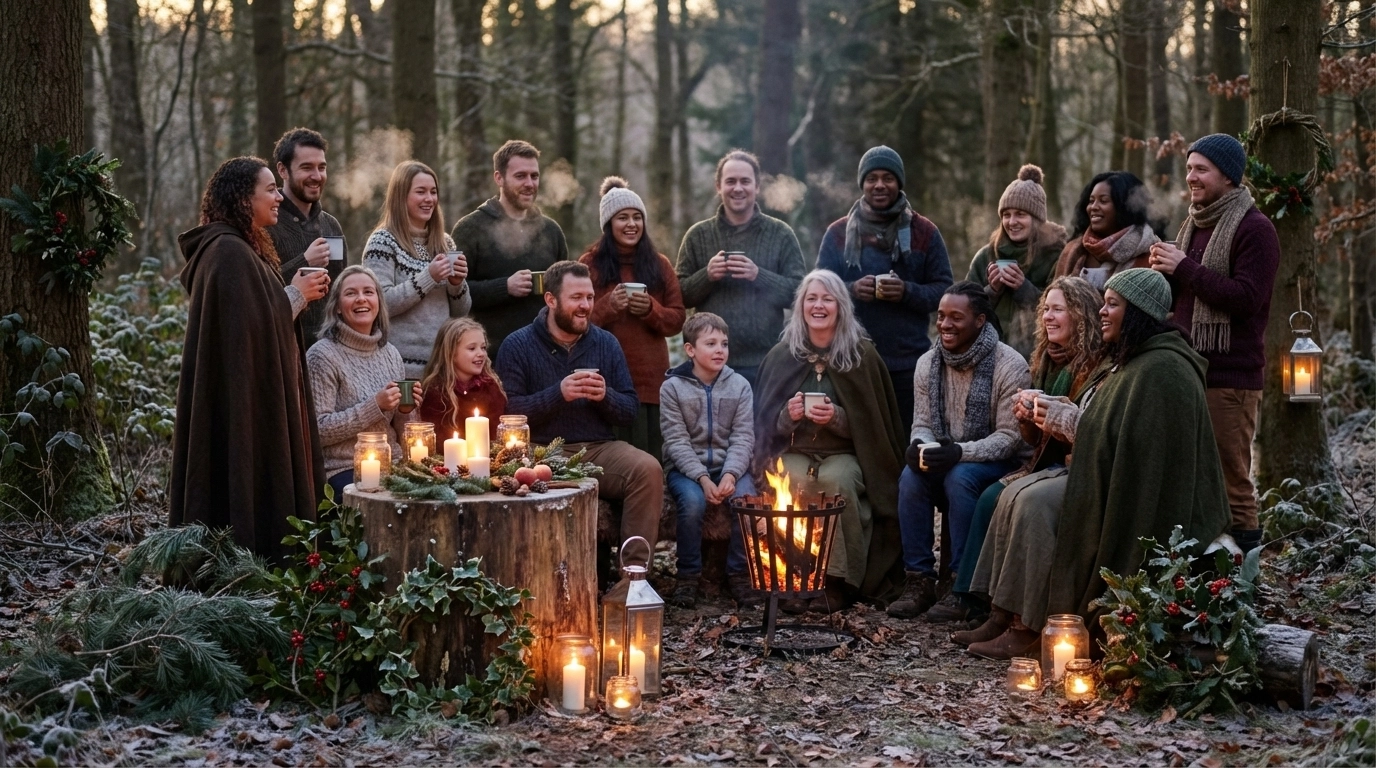
For families and communities, sharing solstice blessings might involve storytelling, sharing food prepared with seasonal ingredients, or simply sitting together in candlelight. The ancient practice of wassailing – singing to fruit trees to ensure a good harvest – shows how our ancestors combined celebration with practical concerns about the coming year.
The Return of Light as Metaphor
Beyond the literal astronomical event, the winter solstice offers us a powerful metaphor for personal transformation. We all experience periods of darkness in our lives: difficult relationships, health challenges, career transitions, grief. The solstice reminds us that even in our darkest moments, the potential for renewal exists.
I’ve been working with clients at The Tranquil Mind who are navigating particularly challenging periods, and there’s something profoundly helpful about connecting their personal experience to these natural cycles. It doesn’t minimise their difficulties, but it places them within a larger context of ebb and flow, darkness and light.
The returning light doesn’t arrive dramatically. Tomorrow won’t feel noticeably different from today. The change is gradual, almost imperceptible. This mirrors how positive change often unfolds in our own lives: not through sudden transformation, but through small, consistent shifts that compound over time.
Honouring Both Darkness and Light
One thing I appreciate about solstice wisdom is that it doesn’t demonise darkness whilst elevating light. Traditional solstice blessings acknowledge that both are necessary. Darkness provides rest, reflection, gestation. Light brings growth, action, manifestation.
In our culture’s obsession with positivity and constant productivity, we sometimes forget that fallow periods serve important purposes. Seeds germinate in darkness. Ideas often develop in quiet, contemplative states. The solstice reminds us that honouring darkness isn’t about being negative; it’s about understanding natural rhythms.
This balance feels particularly relevant as we approach the new year with its inevitable pressure to set resolutions and immediately transform our lives. The solstice offers a different approach: acknowledging where we are, planting seeds of intention, then trusting the natural rhythm of gradual change.
Looking Forward: Seeds of Intention
As this solstice evening deepens, I’m thinking about what intentions I want to carry forward. Not grand resolutions that require immediate action, but gentle seeds that can grow slowly with the returning light.
One intention involves deepening my connection to natural cycles through my work at The Tranquil Mind. I want to explore how my sessions can help people reconnect with these ancient rhythms whilst addressing modern challenges.
Another involves simply paying more attention to the subtle changes in daylight over the coming months. In our indoor-focused lives, it’s easy to miss the gradual lengthening of days. But I suspect there’s something nourishing about consciously tracking this return of light.
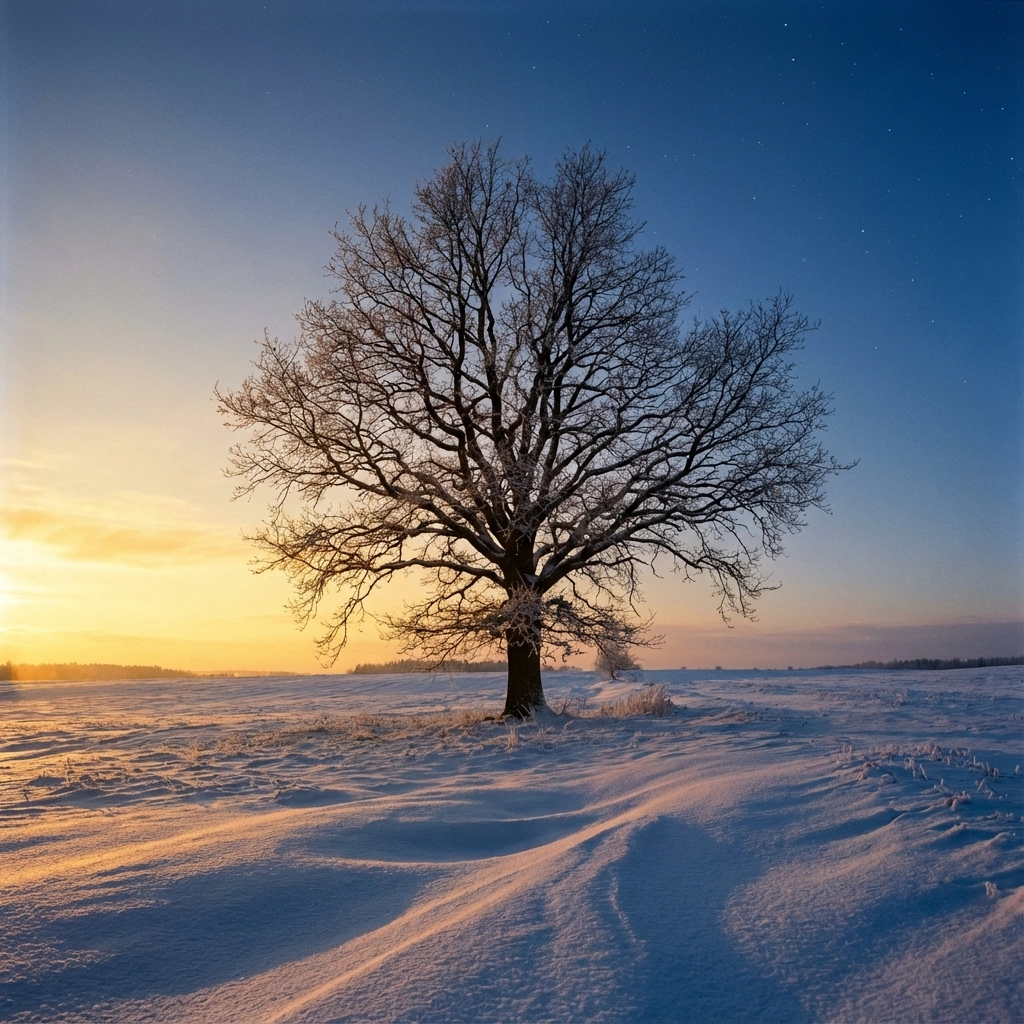
The beauty of solstice blessings lies not in grand gestures but in small acknowledgements. Lighting a candle with intention. Pausing to appreciate the bare beauty of winter trees. Taking a few moments to sit quietly as daylight fades.
Tonight, as the longest night settles over Worcester, I’ll be holding both the completion of this year’s cycle and the promise of gradual renewal. Whether you mark this solstice through ancient traditions, personal ritual, or simply quiet recognition, may you find your own way of welcoming the return of light.
The wheel turns. The light returns. And tomorrow, we begin again.