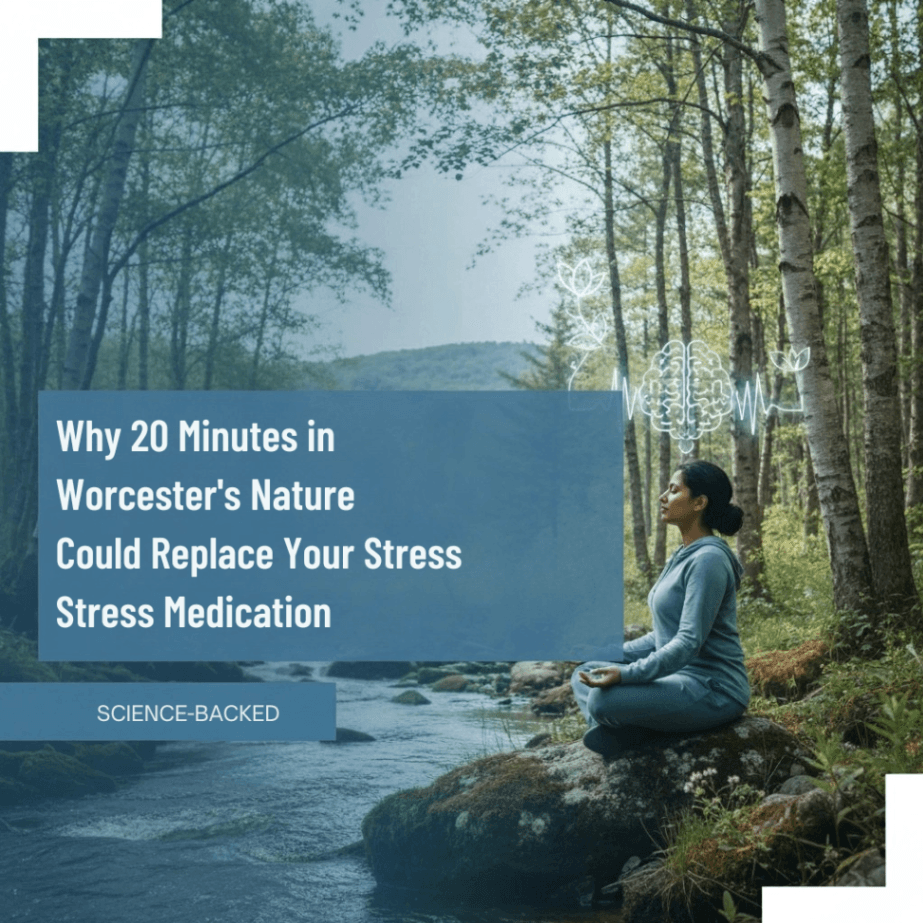
When I read the recent BBC article about nature’s incredible health benefits, I couldn’t help but think about our beautiful Worcester landscape and how perfectly it aligns with what scientists are discovering. The research is clear: just 20 minutes in Worcester’s nature can trigger the same stress-reducing responses that many people seek from medication.
As someone who’s witnessed many people transform their wellbeing through our forest bathing sessions, I’ve seen this science play out in real time. But let me share what the research actually tells us, and why Worcester might be the perfect place to put these findings into practice.
The 20-Minute Sweet Spot: What Science Actually Shows
A groundbreaking study published in Frontiers in Psychology tracked 36 people who spent time in nature three days a week for eight weeks. The researchers measured cortisol levels (our primary stress hormone) before and after these nature experiences, and the results were remarkable.
The magic happened at exactly the 20-minute mark. Participants who spent 20 minutes in nature experienced the steepest drop in cortisol levels. After 20-30 minutes, the benefits continued to accumulate, but at a gentler rate. What struck me most about this research is its flexibility: participants could choose any outdoor space where they felt connected to nature, whether that was sitting quietly or walking slowly.
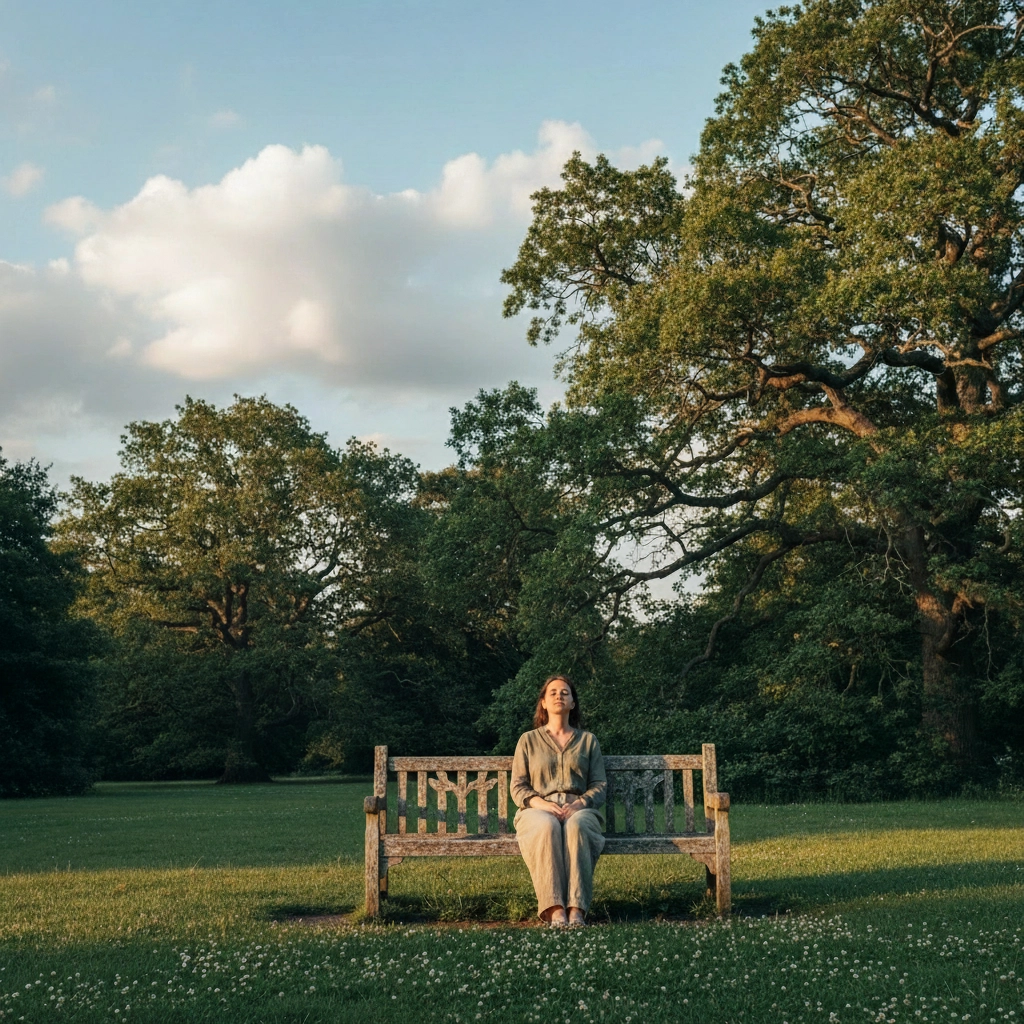
This flexibility is perfect for Worcester residents. Whether you’re drawn to the peaceful paths of Gheluvelt Park, the expansive views from the Malvern Hills, or even a quiet corner of your local green space, the physiological benefits remain consistent. The key isn’t the specific location but rather that sense of natural connection.
Beyond Cortisol: The Full Picture of Nature’s Healing Power
When I first started offering forest bathing sessions, I was fascinated by how participants described feeling “reset” after just 20 minutes in Worcester’s nature. Now I understand why. Nature doesn’t just lower cortisol; it triggers what researchers call “attention restoration theory.”
Unlike urban environments that demand constant cognitive effort, natural settings allow our executive brain functions to recover. This is why a brief walk through Worcester Woods can leave you feeling more focused than an hour of scrolling through your phone.
Research published in Environmental Health and Preventive Medicine shows that forest environments specifically reduce activity in the sympathetic nervous system (responsible for fight-or-flight responses) while increasing parasympathetic activity (our rest-and-digest mode). The Japanese call this “shinrin-yoku” or forest bathing, and when you add in the mindfulness and sensory based extras called Forest Bathing+, this is what I’m facilitating here in Worcestershire.
How Forest Bathing Amplifies These Natural Benefits
During my forest bathing sessions, I guide participants through specific techniques that maximise these 20-minute benefits. We might practice what I call “soft gaze” attention, where you’re aware of your surroundings without focusing intently on any single element. This approach helps activate the parasympathetic nervous system more effectively than casual nature walks.
The process combines elements of breathwork and mindful awareness. Research from Stanford University confirms that slower, deeper breathing patterns during nature exposure enhance the stress-reducing effects. This is why I often integrate gentle breathing techniques during our Worcester forest sessions.

What makes forest bathing particularly powerful is how it incorporates multiple senses. We’re not just looking at trees; we’re feeling the air temperature, hearing the rustle of leaves, perhaps touching bark or moss. This multi-sensory engagement creates what researchers call “soft fascination,” allowing deeper nervous system regulation than visual nature exposure alone.
Worcester’s Natural Pharmacy: Making the Most of Our Local Resources
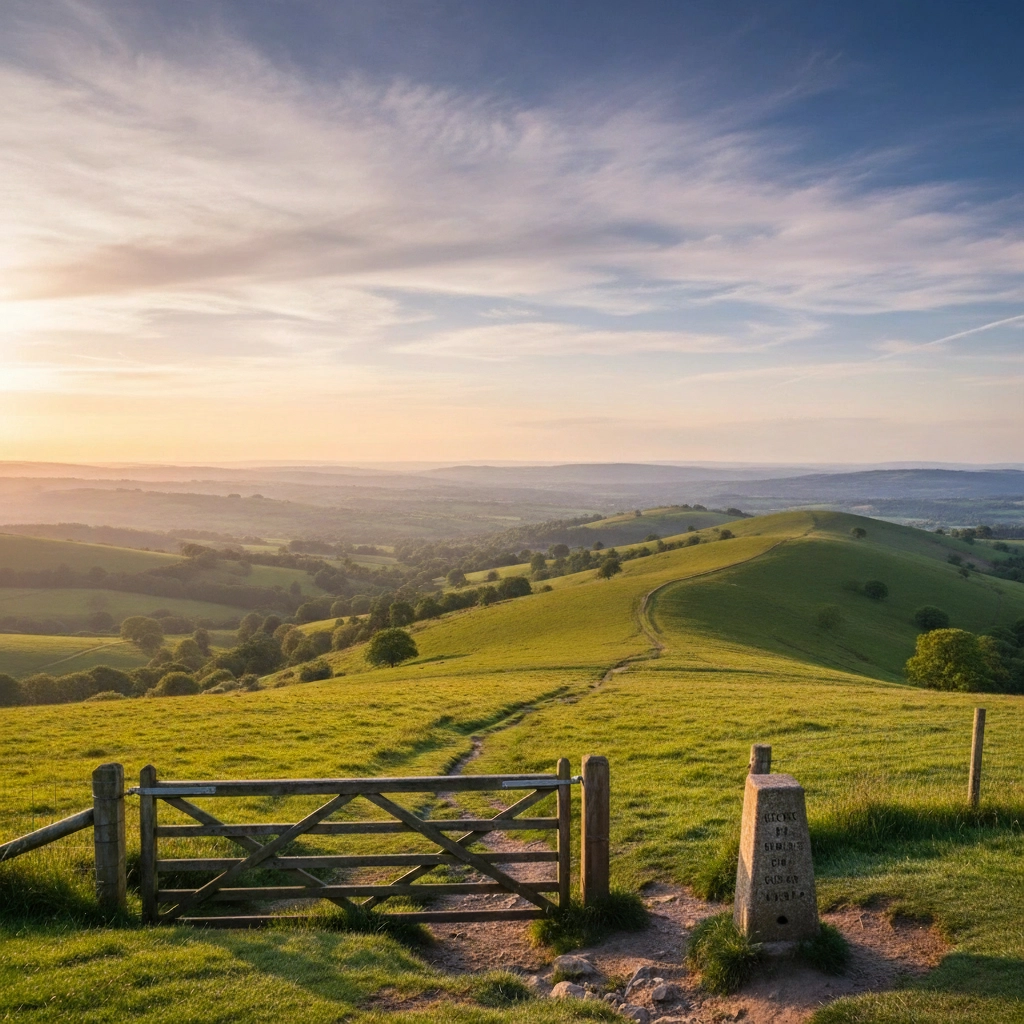
Living in Worcester, we’re incredibly fortunate to have diverse natural environments within easy reach. The Malvern Hills offer expansive views that research suggests can reduce rumination (repetitive negative thinking). Our canal towpaths provide gentle walking routes perfect for the 20-minute nature prescription. Even our city parks contain the elements needed for measurable stress reduction.
I’ve noticed that participants in my forest bathing sessions often discover new appreciation for familiar local spaces. That patch of woodland you drive past daily? It contains the same stress-reducing compounds (called phytoncides) that trees release in famous healing forests around the world.
The Worcester wellbeing community is growing because people are recognising these local resources. When someone tells me they don’t have time for nature, I remind them that 20 minutes in Worcester’s nature is more accessible than they think. Your lunch break in Gheluvelt Park counts. That early morning walk along the Severn counts. Even sitting quietly in your garden, if it contains trees or plants, triggers these beneficial responses.
Connecting Nature with Other Wellness Practices
What’s particularly exciting is how these 20 minutes in nature complement other wellness practices I offer. Forest bathing pairs beautifully with yoga nidra, as both practices activate the parasympathetic nervous system. The deep relaxation achieved through yoga nidra can be enhanced when practised outdoors or following time in nature.
Similarly, breathwork becomes more powerful when practised in natural settings. The combination of conscious breathing and forest environments creates what I call “compound healing,” where multiple stress-reducing mechanisms work together and this maybe something I will explore further in due course.
Sound baths, too, take on new dimensions when combined with nature exposure. The natural acoustics of outdoor spaces, combined with the inherent tranquillity of Worcester’s green spaces, create an enhanced meditative environment. Many participants tell me that their first sound bath experience in nature feels more profound than indoor sessions and the natural world seems to come alive with their contributions too.
The Practical Application: Your Personal Nature Prescription
Based on the research and my experience facilitating wellness sessions, here’s how to maximise those crucial 20 minutes in Worcester’s nature:
Before you go: Avoid intense exercise beforehand, as elevated heart rate can interfere with cortisol measurement and the relaxation response.
During your time: Minimise distractions. This means turning your phone off completely if you can and avoiding conversations, reading, or other cognitive demands. The goal is gentle awareness, not active thinking.
Location flexibility: The research shows that for some benefits, it doesn’t matter whether you sit or walk slowly, as long as you feel connected to nature. Worcester’s varied landscape offers options for every preference and mobility level.
Consistency matters: Studies show that spending at least 120 minutes in nature per week leads to significantly higher reports of positive health and wellbeing. This translates to six 20-minute sessions, easily achievable in Worcester’s accessible green spaces.
When Nature Meets Traditional Wellness
Through my work at The Tranquil Mind, I’ve seen how people naturally gravitate towards combining these nature-based benefits with structured wellness practices. The Worcester Sound Bath sessions I offer often attract people who’ve already discovered nature’s healing power and want to deepen their practice, and vice versa.
What’s beautiful about this approach is its accessibility. Not everyone can commit to regular therapy or medication regimens, but 20 minutes in Worcester’s nature requires no prescription, has no side effects, and costs nothing. It’s a form of preventive healthcare that’s available to everyone in our community.
The science supporting nature’s stress-reducing effects continues to grow, but those of us working in Worcester wellbeing have witnessed these benefits for years. When I see someone emerge from a forest bathing session looking visibly calmer, I know they’ve experienced what the research confirms: nature provides measurable, reproducible stress relief that rivals pharmaceutical interventions.
A Gentle Reminder About Balance
While I’m passionate about nature’s healing potential, I want to emphasise that these benefits work best as part of a holistic approach to wellbeing. The research on 20 minutes in Worcester’s nature is compelling, but it’s not meant to replace professional medical care when needed. Instead, think of it as a powerful complement to whatever support systems you already have in place.
If you’re curious about deepening your nature practice, I’d love to guide you through a proper forest bathing experience. Our events calendar includes regular sessions designed to help you maximise those crucial 20 minutes while learning techniques you can practice independently.
The evidence is clear: Worcester’s natural environment offers genuine, measurable health benefits. The question isn’t whether nature can support your wellbeing, but rather how you’ll incorporate these 20 transformative minutes into your daily routine.