
Let me be completely upfront: I’m not one of those people who rolls out of bed at 5am for daily sun salutations. My yoga attendance record is patchy at best, consisting mainly of the occasional class when my back’s playing up or when I’ve promised myself I’ll “get more flexible this year” (spoiler: I never do).
But here’s the thing about being an infrequent yoga attendee: when you do show up, you need all the help you can get. And nothing makes you feel more like a complete beginner than spending half the class slipping and sliding on a dodgy mat whilst everyone else flows gracefully around you.
That’s exactly what happened during my first few studio visits. Those standard rental mats were absolutely useless for someone like me. Within minutes, my hands would be sliding forward in downward dog, my feet would slip during warrior poses, and I’d spend more time readjusting than actually doing yoga. It was frustrating, embarrassing, and frankly put me off going back for months.
So when I finally decided to give yoga another proper go, I figured if my performance on the mat needed all the help it could get, I might as well invest in one of the best options out there. Enter the Liforme Yoga Mat and until the end of May you can use code IANK10 for a 10% discount.
Why a Decent Mat Matters More Than You’d Think
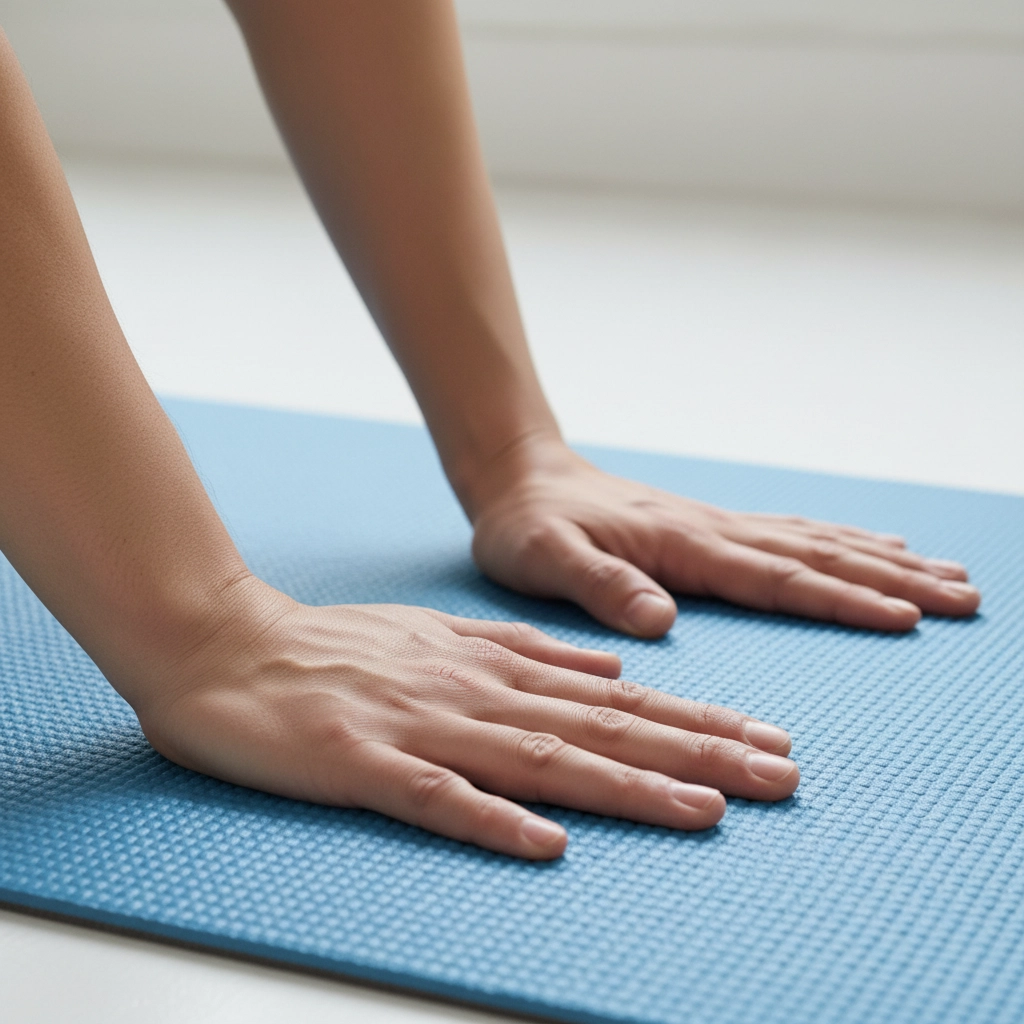
Before we dive into the specifics, let me explain why grip became such an obsession for me. When you’re already wobbly in tree pose or struggling to hold plank for more than 30 seconds, the last thing you need is your equipment working against you.
According to Verywell Fit, maintaining proper alignment during yoga practice is crucial for preventing injury and getting the most benefit from each pose. But how can you focus on alignment when you’re constantly worried about slipping?
The grip issue isn’t just about confidence (though that’s a big part of it). Poor mat grip can actually lead to compensatory movements that put unnecessary strain on your joints and muscles. I learned this the hard way after a particularly disastrous hot yoga class where I spent more time gripping with my fingertips than engaging my core.
First Impressions: The Liforme Difference
When my Liforme Yoga Mat arrived, the first thing I noticed was the weight. This isn’t some flimsy mat that you’ll accidentally kick across the room. At 2.5kg, it’s got proper substance to it. Some might find this a drawback for carrying to classes, but honestly, the stability it provides is worth the extra weight.
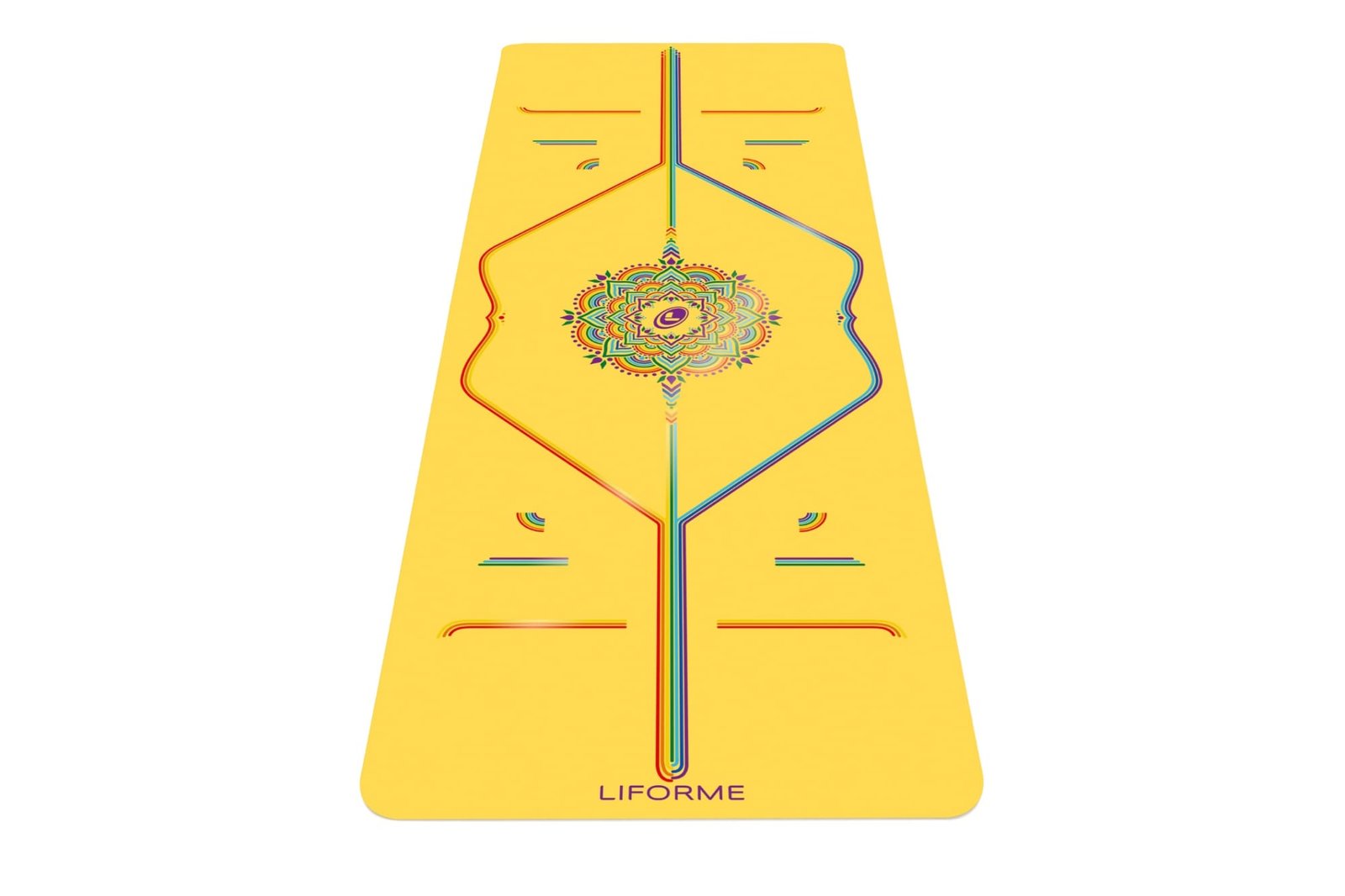
The surface texture immediately felt different from the slippery studio mats I’d struggled with. There’s a tactile quality that gives your hands and feet something to grip onto without feeling rough or abrasive. The AlignForMe system – those subtle etched lines and markers – initially seemed a bit gimmicky to me, but I’ll admit they’ve proven surprisingly helpful for a beginner trying to figure out proper hand and foot placement.
The Grip Test: Hot Yoga and Sweaty Palms
The real test came during my next hot yoga session. I’d specifically chosen one of the more challenging classes, partly to test the mat and partly because I’m apparently a glutton for punishment.
Within the first few poses, it was clear this Liforme Yoga Mat was operating on a completely different level. My hands stayed exactly where I placed them in downward dog. My feet didn’t budge during standing poses. Even when things got properly sweaty (and I mean proper British-summer-in-a-conservatory sweaty), the grip held firm.
The mat uses something called GripForMe technology, which sounds very fancy but essentially means the surface becomes more grippy as it gets wet. It’s counterintuitive if you’re used to standard mats that become ice rinks the moment any moisture appears.
Beyond the Grip: Other Features That Matter
Size and Thickness
At 4.2mm thick, the Liforme strikes a good balance between cushioning and stability. It’s thick enough to protect your knees during floor sequences but not so chunky that you feel unstable during balancing poses. The 185cm length is generous too – whilst I’m only 5’8″, if you’re heading towards 6’2″, you will finally have a mat where you don’t have to worry about your head or feet hanging off the edge.
Alignment Guides
I was initially sceptical about the alignment system, but it’s actually quite useful when you’re learning. The subtle markers help with hand placement in poses like downward dog and give you reference points for foot positioning in standing sequences. It’s not prescriptive – you’re not forced to use them – but they’re there if you need guidance.
Durability
After six months of irregular but enthusiastic use as I even roll it out at home for my occasional stretching, the mat is holding up well. There’s minimal wear on the surface, and the alignment markers are still clearly visible. The edges haven’t started curling, which was an issue I’d had with cheaper mats in the past.
The Investment Question: Is It Worth £140?
Let’s be realistic: Over £100 is a significant chunk of money for a yoga mat, especially when you can pick up basic mats for a tenner. But here’s my thinking: if you’re serious enough about yoga to invest in your own equipment, you might as well get something that actually enhances your practice rather than hindering it. What price do you put on being injury-free due to inadvertent slips?
If you want to try one yourself, this link helps me out, as well as gets you to the right pages. Remember the 10% discount coupon – IANK10

What I Wish I’d Known Before Buying
The mat does require a gentle wash before first use – nothing complicated, just a wipe down with a damp cloth. Some users report a slight rubbery smell initially, but this fades quickly with regular use.
Storage can be a consideration. The mat comes with a carrying bag, but given its weight and thickness, it’s not the most portable option if you’re planning to cycle to classes. Liforme does make a travel version if portability is a priority.
The Surprising Confidence Boost
Here’s something I didn’t expect: having a reliable mat actually made me more willing to attempt challenging poses. When you know your hands won’t slip in crow pose or your feet won’t slide in warrior three, you’re more likely to give things a proper go rather than playing it safe.
This psychological aspect shouldn’t be underestimated, especially for occasional practitioners like myself who already feel a bit out of their depth in yoga classes. The confidence that comes from proper equipment can be the difference between sticking with a practice and giving up after a few frustrating sessions. If you’re already a seasoned yogini, then this can only help you further.
The Honest Verdict
Six months in, I’m genuinely pleased with this investment. The Liforme Yoga Mat has transformed my yoga experience from a constant battle against sliding equipment to actually focusing on the poses themselves. It’s not a magic solution that will instantly improve your flexibility or strength, but it removes one significant barrier to enjoying your practice.
For fellow yoga infrequents who want a mat that won’t let them down (literally), it’s worth the investment. The grip alone makes it worthwhile, but the thoughtful design details and durability make it feel like money well spent.
If you’re on the fence, consider this: a good mat is an investment in consistency. When you’re not dreading the equipment, you’re more likely to actually use it. And for those of us who need all the encouragement we can get to maintain any sort of yoga practice, that’s probably worth £140.
You can check out our other wellness programs to complement your yoga practice, or explore our meditation resources for a more complete wellbeing approach.
Recent Comments