Hello my friends,
I hope this finds you well as November settles over Worcester. I’ve been watching the leaves drift past my window this morning, and there’s something about this time of year that always makes me want to slow right down and breathe deeper. I’m not sure if there is Celtic blood in me, but I’ve always felt drawn to Samhain, that ancient festival marking the transition from harvest to winter.
Last week, I was out walking in the fields by me in White Ladies Aston and I got chatting with an elderly gentleman who was collecting conkers with his grandson. He mentioned how his Welsh grandmother used to say this was the time when “the veil grows thin” between our world and the spirit realm. If you’ve been to my sessions in the last week or two you will recall I said the same thing, so this struck me. Whether you believe in that or not, there’s definitely something magical about these darker days that invites us inward.
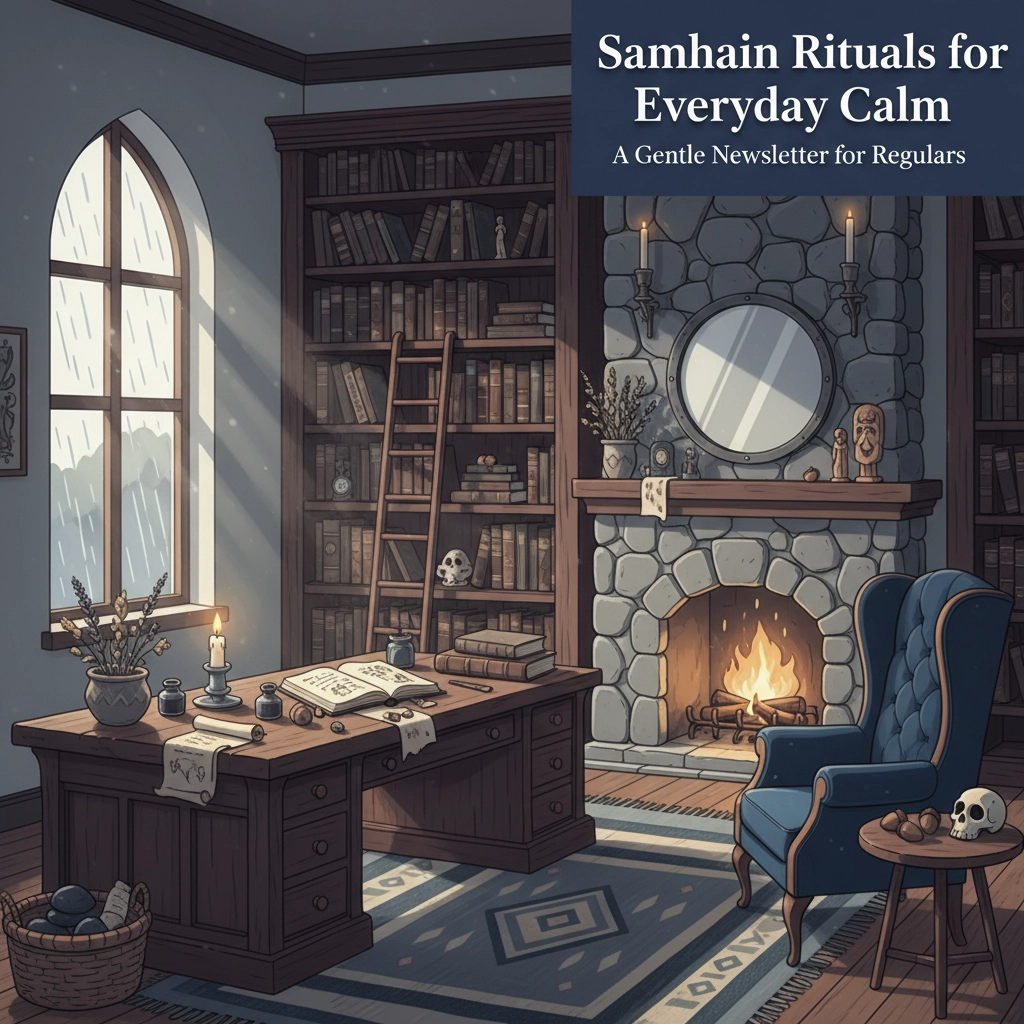
With this in mind,I thought you might enjoy some gentle Samhain rituals for everyday calm that I’ve been exploring myself. Nothing complicated or mystical (though I’m not against a bit of mystery). Just simple practices that honour this season of letting go and settling in.
What Samhain Really Means for Modern Life
Before I share the practical bits, let me tell you what I’ve learned about Samhain over the years. It’s not just Halloween with different spelling. This ancient Celtic festival was fundamentally about connection: with nature, with our ancestors, with each other, and most importantly, with ourselves during a time of natural transition.
The Celts understood something we’ve rather forgotten in our 24/7 world. They knew that just as trees shed their leaves, we too need times of release and rest. Samhain marked the end of the harvest season and the beginning of winter, a time when communities would naturally slow down, tell stories, and reflect on the year that had passed.
What strikes me most about the old Samhain traditions is how practical they were. People would light bonfires not just for ceremony, but for warmth and protection during the darkening months. They’d prepare special foods from the harvest to nourish themselves through winter. They’d spend longer evenings sharing memories of those who’d passed. All of this created a natural rhythm of slowing down that our bodies and minds still crave today.
Simple Samhain Rituals for Everyday Calm
The Evening Candle Practice
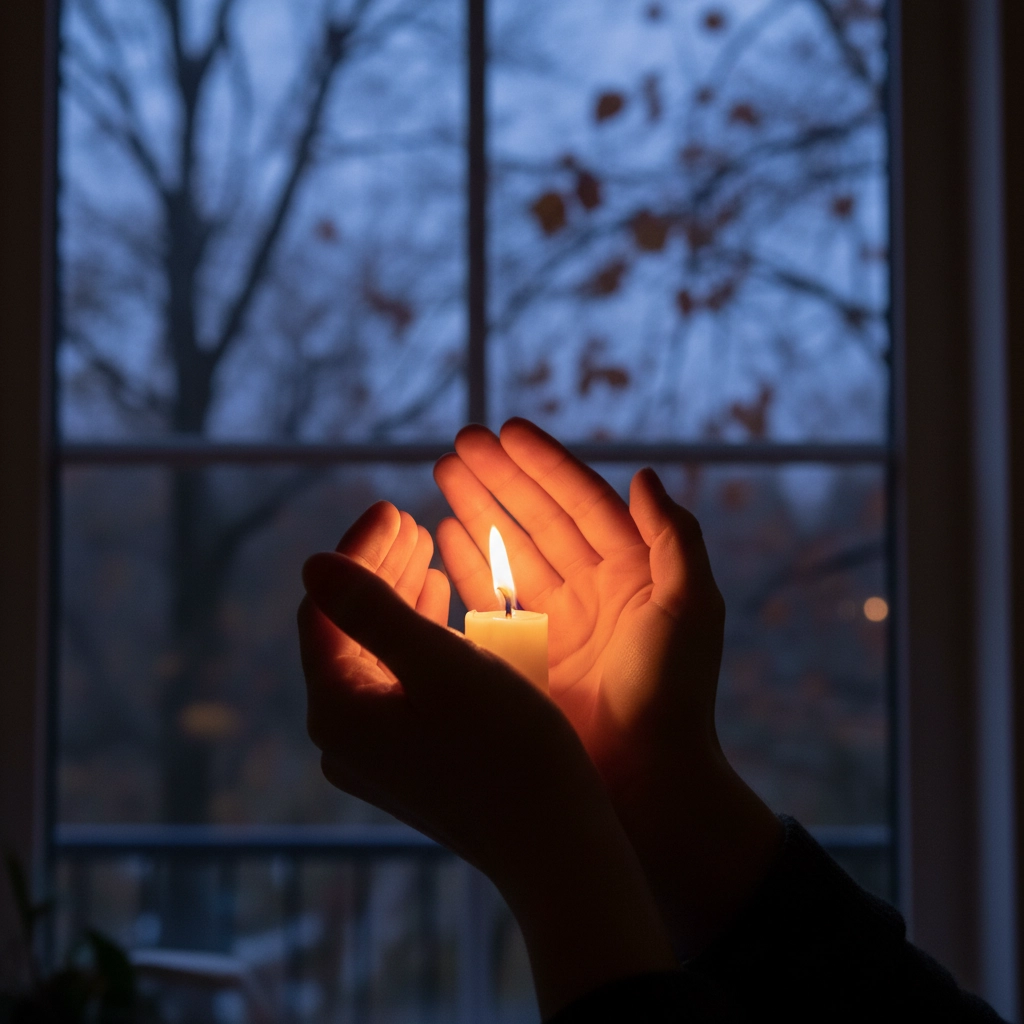
This is probably my favourite autumn ritual, and I’ve been doing it every evening this week since the clocks changed. As dusk falls (which feels ridiculously early these days, doesn’t it?), I light a single candle somewhere central in my home. Not a fancy ritual candle, just whatever I have to hand, though I confess to being partial to anything that smells of cloves or cedar.
The practice itself is beautifully simple. I light the candle, sit with it for a few minutes, and let my mind settle on what I’m ready to release from the day, the week, or even the year. Sometimes I write these thoughts on a piece of paper and tuck it under the candle holder. Other times, I just hold them in my mind as I watch the flame dance.
There’s something about firelight that naturally slows our nervous system. Research from the University of Alabama has shown that watching flames can actually lower blood pressure and promote relaxation (you can read more about this fascinating study here). Our ancestors knew this instinctively.
The Gratitude Walk Through Worcester
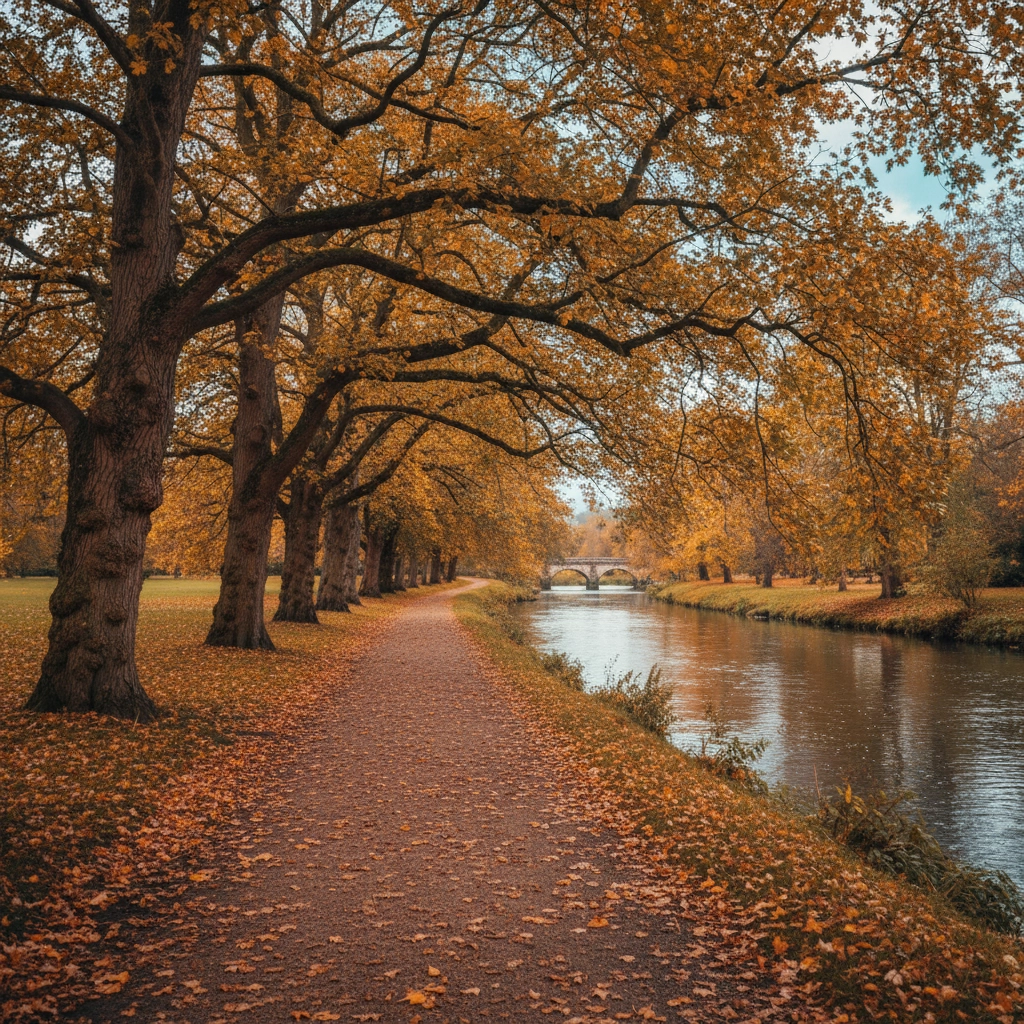
Living in Worcester, we’re blessed with some gorgeous autumn spots. I’ve been taking what I call “gratitude walks” through different parts of our city, really noticing the seasonal changes. The trees along the River Severn are particularly stunning right now, all gold and amber against the grey sky.
During these walks, I make a point of acknowledging three things I’m grateful for from the autumn season. It might be as simple as appreciating a particularly beautiful horse chestnut tree, or remembering a lovely conversation with someone at the farmers market. The key is to really feel the gratitude, not just think it.
Walking mindfully like this echoes the ancient practice of “thin places” that was central to Celtic spirituality. These weren’t necessarily mystical locations, but moments and places where we feel particularly connected to something larger than ourselves. A quiet path, a view across the Malvern Hills, even a peaceful corner of Worcester Woods can become a thin place if we approach it with attention and openness.
Sound and Silence: Your Personal Samhain Sound Bath
One thing I’ve been experimenting with lately is bringing the principles of our sound bath sessions into my home Samhain practice. You don’t need singing bowls or any special equipment for this. Just your ears and some intention.
Try this tonight if it appeals to you. Find a comfortable spot, ideally near a window, and simply listen to the sounds of autumn evening for five to ten minutes. What can you hear? Rain on windows, wind in the trees, the distant hum of traffic settling into evening quiet? Let yourself really sink into these natural soundscapes.
I’ve found that autumn evenings in Worcester have their own particular rhythm. There’s less birdsong than summer, but more subtle sounds emerge: the rustle of dry leaves, the gentle patter of drizzle, the soft whistle of wind through bare branches. These become your sound bath, connecting you to the season’s natural process of slowing down.
The beautiful thing about this practice is how it mirrors the traditional Samhain emphasis on listening, really listening, to what the season is teaching us about rest and renewal.
Creating Sacred Space Without the Fuss

Now, I know some of you might be thinking this all sounds a bit too “spiritual” or complicated. Trust me, it doesn’t have to be. The most powerful Samhain rituals for everyday calm are often the simplest ones.
If lighting candles isn’t your thing, try simply dedicating ten minutes each evening to doing something slowly and mindfully. Make a cup of tea and really taste it. Prepare your dinner with full attention to the colours, textures, and smells of seasonal vegetables. Write three sentences in a notebook about your day.
One practice I’ve borrowed from the research on Celtic wisdom traditions is the simple act of leaving an offering outdoors. This doesn’t need to be elaborate. I sometimes leave an apple core in my garden, or pour a bit of tea onto the earth by my front step. It’s just a small gesture of gratitude to the season and a way of feeling connected to the cycles of nature.
The Art of Seasonal Letting Go
Perhaps the most profound aspect of Samhain rituals for everyday calm is the practice of conscious release. Just as trees let go of their leaves without struggle or regret, we can learn to release what no longer serves us with similar grace.
I’ve been trying a simple practice this month: each evening, I identify one small worry, grudge, or mental habit that I’m ready to let go of. Nothing dramatic, just the mental clutter that tends to accumulate. I might write it down and tear up the paper, or simply hold the intention to release it as I blow out my evening candle.
This practice has roots in ancient traditions, but it’s also supported by modern psychology. Research from UCLA suggests that writing about our worries and then physically destroying the writing can actually reduce the emotional impact of those concerns (you can explore this study further here).
The key is gentleness. We’re not trying to force transformation or create dramatic life changes. We’re simply practising the art of letting go, one small release at a time.
Honouring Memory and Connection
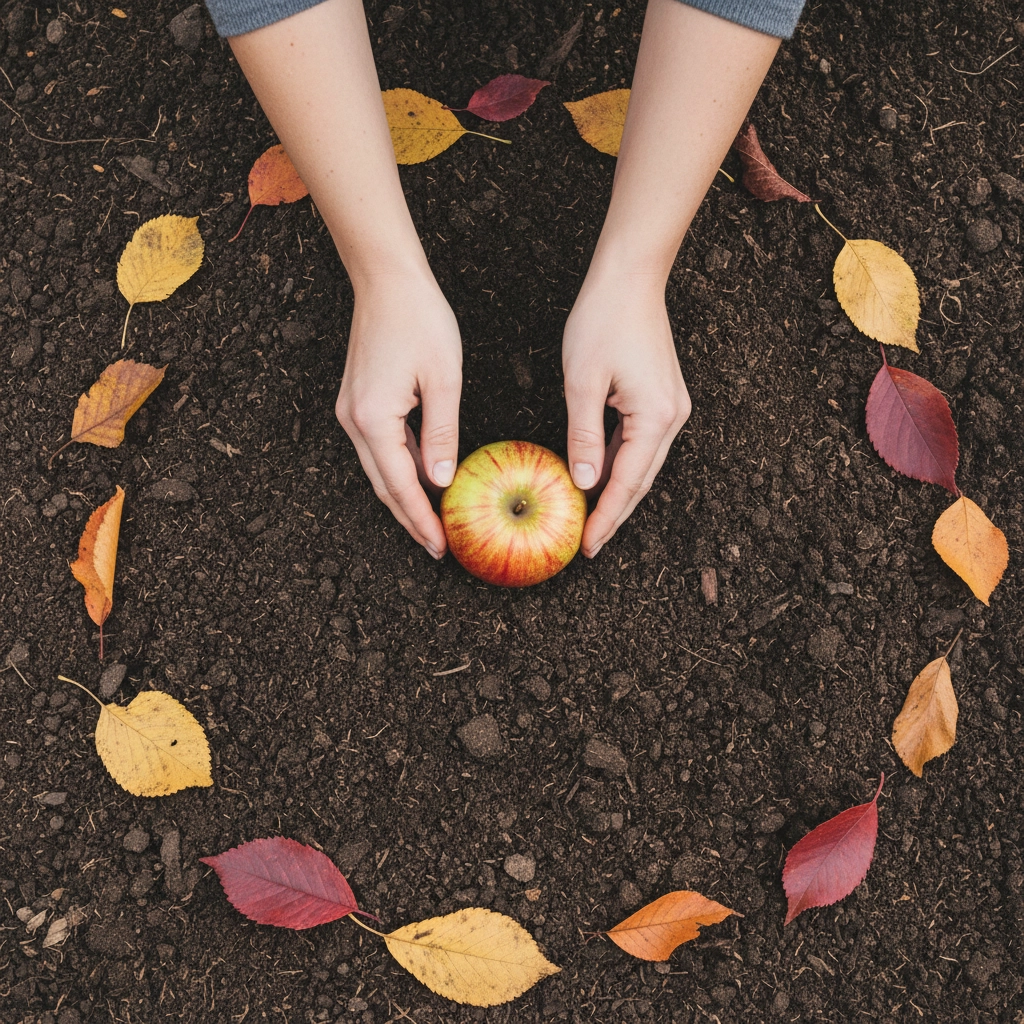
One tradition I’ve grown particularly fond of is the simple practice of remembering. Samhain was traditionally a time when families would share stories of ancestors and loved ones who had passed. You don’t need to believe in spirits or afterlives to find meaning in this practice.
You might like to cook a meal that reminds you of my grandmother, or play music that your father loved. Another example is I might look through old photographs or simply spend a few minutes remembering someone whose life touched mine. These small acts of memory become a way of honouring the connections that continue to shape us, even after loss.
There’s something deeply calming about these practices of remembrance. They remind us that we’re part of something larger than our immediate concerns, connected to stories and relationships that extend beyond our own daily worries.
Bringing Ancient Wisdom to Modern Worcester
Living in a city like Worcester, with its layers of history stretching back over 2,000 years, I’m often struck by how many generations have marked these same seasonal transitions. The Romans had their festivals, the medieval Christians their All Hallows’ Eve, and before them all, the Celts observed Samhain.
I find great comfort in knowing that people have been lighting fires, sharing food, telling stories, and marking the passage from harvest to winter for thousands of years, right here where we live. Our Samhain rituals for everyday calm connect us not just to the natural world, but to this long chain of human experience.
The practices I’ve shared aren’t about recreating ancient traditions exactly. They’re about finding ways to honour the wisdom those traditions carried: the importance of slowing down, connecting with nature’s rhythms, releasing what we don’t need, and finding meaning in simple, repeated acts of attention and care.
A Gentle Invitation
As November deepens and winter approaches, I invite you to experiment with whichever of these practices speaks to you. Start with just one. Light a candle some evening and see how it feels. Take a grateful walk through your neighbourhood. Listen to the sounds of autumn for five minutes.
The beauty of Samhain rituals for everyday calm is that they’re infinitely adaptable. They work whether you live in a bustling flat in the city centre or a quiet cottage in the countryside. They’re about creating moments of pause and connection wherever you are.
I’d love to hear about your own autumn practices, whether they’re inspired by Samhain traditions or spring from your own creativity. What rituals help you find calm as the year winds down? What simple practices ground you in this season of change?
Drop me a reply if you feel inclined. I always enjoy hearing from you, and your experiences often inspire my own practice.
Until next time, may your November be filled with gentle transitions and moments of unexpected peace.
Warmly,
Ian
P.S. If you’re interested in exploring more about how seasonal awareness can support wellbeing, you might enjoy reading about the science behind forest bathing or discovering how digital detox practices can create more space for seasonal rhythms in our tech-heavy lives.