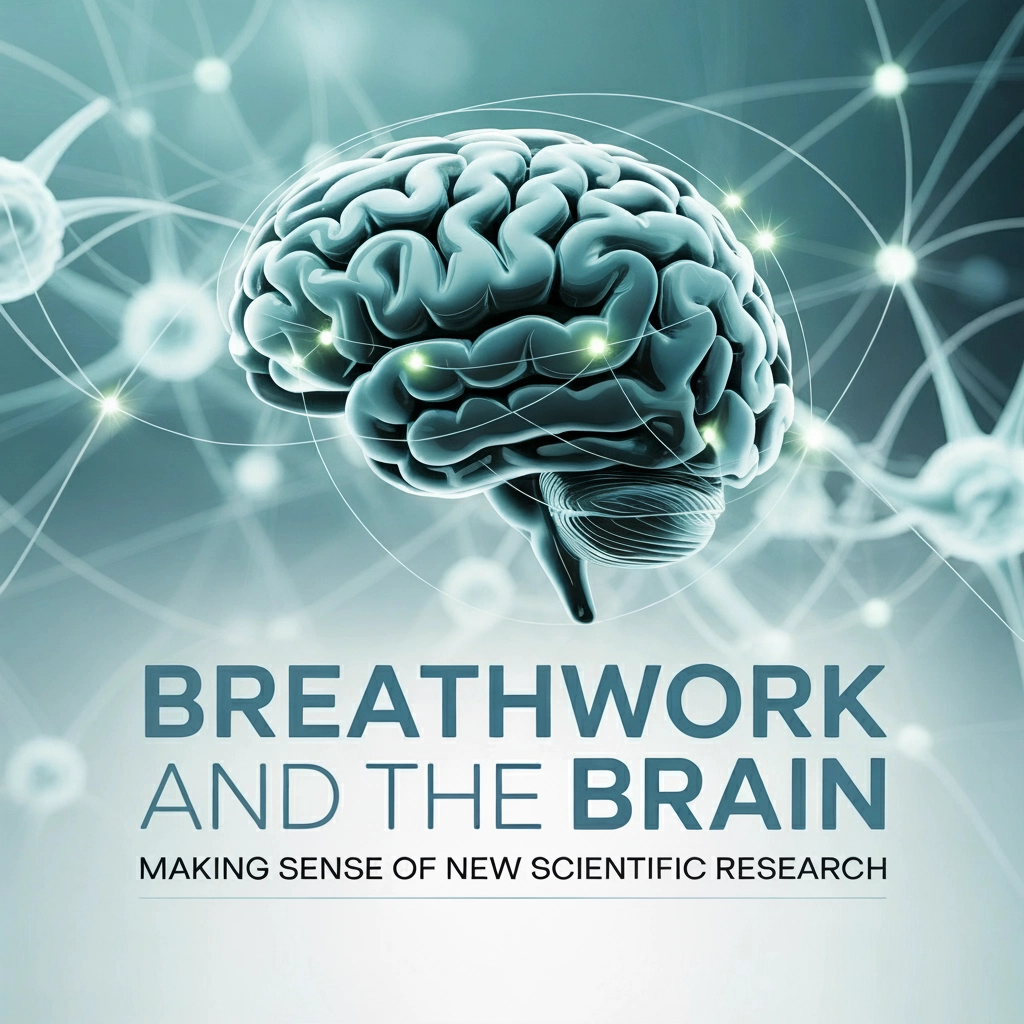
If you’ve ever wondered why a few minutes of conscious connected breathing can leave you feeling completely transformed, science is finally catching up with what practitioners have known for centuries. A groundbreaking study published in PLOS One has provided the first neuroimaging evidence of exactly what happens in our brains during high-ventilation breathwork sessions. The findings are nothing short of remarkable.
The research, titled “Neurobiological substrates of altered states of consciousness induced by high ventilation breathwork accompanied by music,” offers unprecedented insights into how techniques like conscious connected breathing create profound changes in both brain and body. For those of us interested in natural approaches to wellbeing, these findings validate what many have experienced firsthand: breathwork is far more than just relaxation.
How Breathwork and the Brain Create Extraordinary States

The study examined 31 healthy adults during high-ventilation breathwork sessions, using advanced neuroimaging to capture real-time changes in brain activity. What researchers discovered was that this type of breathing creates measurable alterations in blood flow to specific brain regions, particularly areas involved in self-awareness, emotion processing, and fear responses.
During the breathwork sessions, participants experienced what scientists term “oceanic boundlessness”: feelings of unity, bliss, and profound emotional release that closely mirror experiences reported during psychedelic therapy. The key difference? These states were achieved through breathing alone, with no substances involved.
Dr. Elisa Reckziegel, the study’s lead author, explained that the changes in brain blood flow directly correlated with the intensity of these transcendent experiences. The more pronounced the blood flow alterations, the deeper the sense of unity and emotional release participants reported.
The Science Behind Psychedelic-Like Effects
What makes this research particularly fascinating is how high-ventilation breathwork appears to create states similar to those induced by psychedelic medicines, but through an entirely natural mechanism. The breathing technique triggers a cascade of physiological changes that fundamentally alter consciousness.
The study found that participants’ brains showed decreased blood flow to the anterior cingulate cortex and medial prefrontal cortex during peak breathwork states. These regions are crucial for self-referential thinking and maintaining our sense of separate identity. When their activity decreases, we experience that profound sense of interconnectedness that many describe as spiritual or transcendent.
Importantly, the research demonstrated that these effects were both safe and temporary. Heart rate variability measurements showed that whilst participants’ physiology was significantly altered during sessions, all markers returned to baseline afterwards. This suggests that conscious connected breathing offers a reversible way to access altered states of consciousness.
The Crucial Role of Context and Music

One of the study’s most intriguing findings relates to the importance of context. The breathwork sessions were conducted with specially selected music designed to support the journey, and researchers noted that this combination appeared crucial for achieving the deepest states.
The music used in the study was carefully chosen to complement different phases of the breathwork experience, from activation through peak states to integration. This mirrors traditional approaches found in various cultures, where rhythm and sound have always accompanied breathing practices.
However, the researchers acknowledge this presents both an opportunity and a limitation for future studies. While the music-breathwork combination proved highly effective, it makes it challenging to separate which effects come from the breathing alone versus the supportive auditory environment.
For practitioners, this highlights something important: context matters enormously in breathwork. The environment, music, guidance, and intention all contribute to the overall experience and its potential benefits.
Mood, Emotions, and Mental Wellbeing
The study’s findings on emotional effects were particularly compelling for those interested in mental health applications. Participants reported significant improvements in mood states both during and after breathwork sessions, with many describing profound emotional releases and increased feelings of wellbeing.
These changes weren’t just subjective. The neuroimaging data showed alterations in brain regions associated with emotional processing, including areas involved in fear responses and stress regulation. This provides a neurobiological basis for understanding why breathwork can be so effective for anxiety and stress management.
The research suggests that high-ventilation breathing may work by temporarily “resetting” emotional patterns held in the nervous system. By creating these profound altered states, we may be able to access and process emotions in ways that normal consciousness doesn’t readily allow.
This aligns with emerging research on neuroplasticity and mindfulness practices, suggesting that breathwork might offer a particularly powerful avenue for emotional healing and psychological growth.
Therapeutic Potential and Safety Considerations

The study’s findings have significant implications for therapeutic applications. The ability to reliably induce profound altered states through breathing alone offers a non-pharmacological approach to accessing the kinds of consciousness changes that are proving beneficial in psychedelic-assisted therapy.
Researchers noted that the effects were both dose-dependent and predictable: longer, more intensive breathing sessions produced more pronounced brain changes and deeper experiential effects. This suggests that breathwork protocols could potentially be calibrated for specific therapeutic outcomes.
The safety profile observed in the study is encouraging. All physiological markers returned to normal after sessions, and participants reported no adverse effects. However, the researchers emphasised that these were healthy adults in a controlled clinical setting with proper supervision.
This research supports the growing integration of breathwork into therapeutic contexts, as we’re seeing in sound healing and other complementary approaches to mental health.
What This Means for Your Practice
If you’re curious about exploring breathwork after reading about these findings, there are several practical considerations to keep in mind. The techniques studied involved sustained periods of rapid, deep breathing that can create intense physiological and emotional responses.
For beginners, it’s advisable to start with gentler approaches and work with experienced facilitators. The study’s participants were carefully screened and monitored throughout their sessions. While breathwork is generally safe, high-ventilation techniques can occasionally trigger strong emotional releases or physical sensations that benefit from skilled guidance.
Consider starting with basic mindfulness practices to develop body awareness and emotional regulation skills. Many people find that building a foundation in simpler breathing exercises helps them navigate more intensive techniques with greater ease and safety.
The research also highlights the importance of integration time after intensive breathwork sessions. Participants needed time to process their experiences and allow their nervous systems to return to baseline. This suggests that breathwork, particularly high-ventilation techniques, is best approached as a practice requiring proper preparation and aftercare.
The Future of Breathwork Research
This PLOS One study represents a significant milestone in legitimising breathwork as a serious area of neuroscientific investigation. By providing objective, measurable evidence of how breathing practices alter brain function, it opens doors for more rigorous research and potential clinical applications.
Future studies will likely explore how different breathing techniques affect the brain, optimal protocols for various therapeutic goals, and long-term effects of regular breathwork practice. There’s particular interest in understanding how these findings might translate to treatments for depression, anxiety, PTSD, and other mental health conditions.
The research also raises intriguing questions about the relationship between ancient wisdom traditions and modern neuroscience. Many cultures have long recognised the power of breath to alter consciousness and promote healing. Now we’re beginning to understand the mechanisms behind these traditional practices.
For those of us in the wellness community, this validation from rigorous scientific research helps bridge the gap between experiential knowledge and evidence-based practice. It provides a foundation for discussing breathwork’s benefits with healthcare providers and integrating these approaches more fully into holistic wellbeing programs.
As we continue to seek natural approaches to stress relief and emotional healing, this research offers encouraging evidence that sometimes the most profound tools for transformation are the ones we carry with us everywhere: our breath and our innate capacity for healing.
The growing body of research on breathwork and the brain suggests we’re only beginning to understand the full potential of conscious breathing practices. As this field continues to evolve, we can look forward to more refined techniques, better safety protocols, and deeper integration with conventional healthcare approaches.
Recent Comments