
If you have ever wondered, “Are meditation and mindfulness the same thing?” you are definitely not alone. Back when I began my own wellness journey with The Tranquil Mind, I saw these two words used together so often that they almost seemed identical. Through years of learning and quite a bit of personal trial and error, I came to see that there are key differences between meditation and mindfulness. Yet, they also share some wonderful common ground. Let’s explore this side by side with straightforward explanations, practical suggestions and a gentle outlook on how both approaches can help nurture your daily wellbeing.
What is Mindfulness?
To answer “Are meditation and mindfulness the same thing?” it helps to start with a clear definition. Personally, I think of mindfulness as a way of living with real intention. It means being truly present: noticing what is happening in your body, observing your thoughts and paying attention to the space around you, all without judgement. Mindfulness is not about trying to empty your mind or being laser-focused at all times. Instead, it is simply about paying gentle attention to your sensory experience to whatever is there, moment by moment.
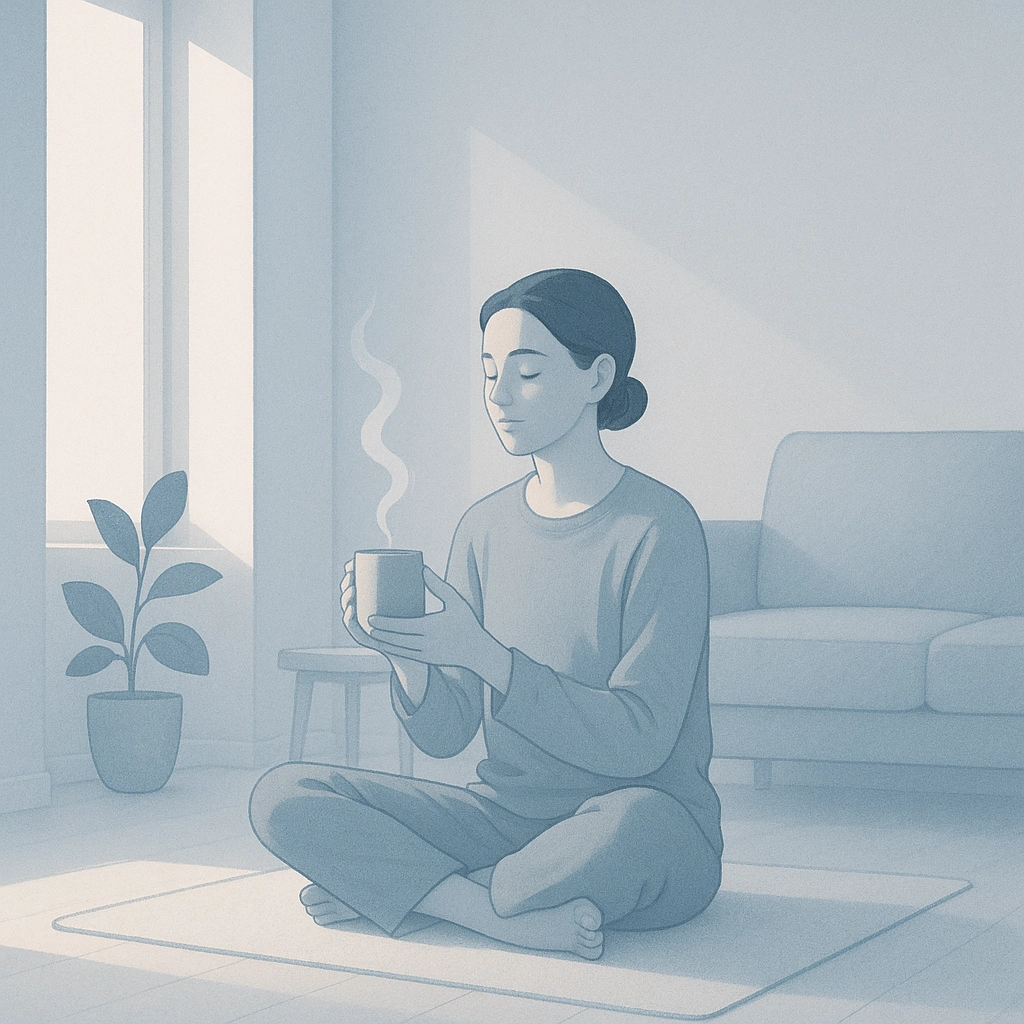
For example, if I’m making a cup of tea, I like to feel the warmth of the steam, listen to the sound of the water, and notice the scent. It’s simply being right there in that little experience, rather than zoning out or rushing ahead.
Mindfulness roots go way back, especially in Buddhist traditions, but the word has found a new life in Western psychology. Jon Kabat-Zinn, founder of Mindfulness-Based Stress Reduction (MBSR), describes mindfulness as “paying attention in a particular way: on purpose, in the present moment, and nonjudgementally” (Kabat-Zinn, Full Catastrophe Living). I love that approach because it reminds us that mindfulness is something we can invite into any and every part of our day.
What is Meditation?
So, if mindfulness is a way of being, is meditation just the same thing with a different name? Not quite. In my experience, meditation is more like an exercise. It involves setting aside a specific period to intentionally focus your attention on something specific that you choose. This might be watching your breath, repeating a mantra or visualising a peaceful scene.
When I meditate, I usually set aside time, often sitting comfortably with my eyes closed, and commit to a particular practice. While mindfulness can be present in meditation, meditation itself is a formal discipline that helps me strengthen the awareness muscle. It is a time I choose to quietly train my mind, so I can better notice thoughts and feelings in the rest of my day.
Origin-wise, meditation traditions can be traced to ancient India and China, linking to Buddhism, Hinduism and many other teachings. You now find meditation in all sorts of modern spaces: gyms, online apps and yes, right here at The Tranquil Mind.
Similarities Between Meditation and Mindfulness
Once we break down the question “Are meditation and mindfulness the same thing?” some powerful similarities become clear:
- Both help us re-centre, reduce stress and find more clarity.
- Both require attention to the present moment, with an attitude of kindness and curiosity.
- Both, when practised regularly, can change how we relate to our thoughts, emotions and even our physical bodies.
Research really backs this up too. The National Institutes of Health has found that both mindfulness and meditation can lower anxiety and boost long-term mental wellbeing. Personally, I notice that regular meditation makes my everyday mindfulness much easier. Meditation is like the gym session for your mind, while mindfulness is the strength and flexibility that you carry into daily life. If you’d like to dive into the details, check out the full research paper here.
Key Differences Explained
While the practices both encourage awareness and acceptance, here are some practical distinctions I’ve found:
Meditation
- Is a specific activity, often with a set start and finish.
- Involves techniques like breath awareness, guided imagery or repeating mantras.
- Typically practised sitting or kneeling, in stillness and silence.
- Is about intentionally creating time away from the busyness of daily life.
Mindfulness
- Is an attitude or way of relating to whatever is happening now.
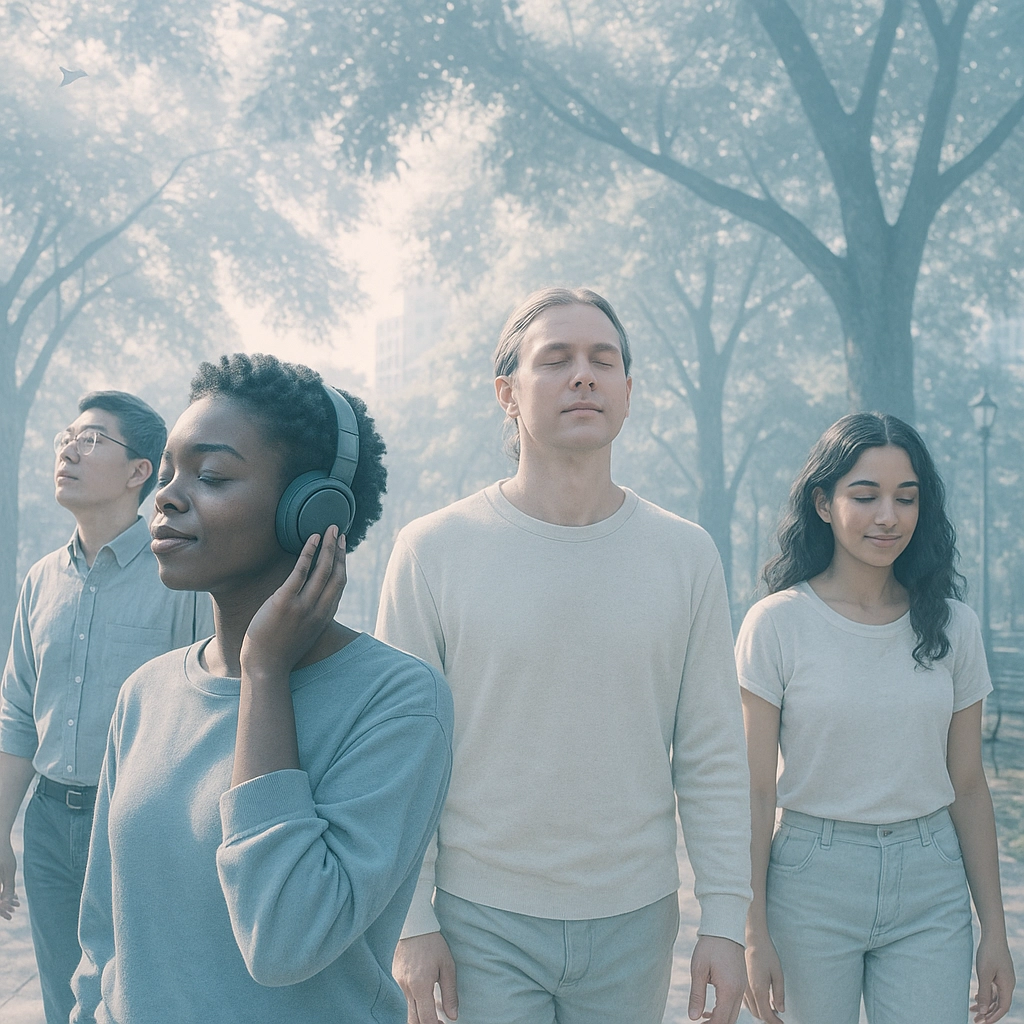
- Can happen any time, whether eating, walking or at work.
- Does not require stillness or specific postures.
- Supports us to gently observe and accept our experience, moment to moment.
To put it another way, meditation is the training, and mindfulness is how you use that training in the flow of everyday living.
Origins and Approach
Mindfulness practice has its roots in Buddhism. However, the modern use of the word often refers to secular mindfulness, which you’ll find in popular therapy models and wellness groups. Meditation, by contrast, has a rich history in many cultures and traditions. These include Hindu yogic meditation, Buddhist sittings, Christian contemplative prayer and many more.
If you prefer the practical approach, you might enjoy a blend. At The Tranquil Mind, I’ve learnt to draw from all traditions, mixing traditional practices with tools for modern life. If you want to read more about how mindfulness is evolving for today’s digital world, you could have a look at our post on Wellness for the Digital Age—Micro Mindfulness and Digital Detox Tips.
My Tips: How to Use Mindfulness and Meditation in Everyday Life
Since “Are meditation and mindfulness the same thing?” is such a common question, I want to share my favourite ways to build both into your routine. These are genuine practices that have supported my own journey:
1. Keep it Simple
If meditation feels intimidating, start with mindful tea drinking or mindful walking. I often tell beginners, “Start where you are.” If you are brushing your teeth, focus all your senses on what you are experiencing, even if it’s just for 30 seconds.
2. Set a Gentle Routine
I benefit from a small, regular meditation slot. Just ten minutes before breakfast can set the mood for my whole day. Use a soft timer, and don’t worry about getting it perfect. If you miss a day, simply try again.
3. Carry Mindfulness Through the Day
You don’t have to meditate to be mindful. When you feel tension, pause and notice your breath. Hear the sounds around you, feel your feet on the ground. Being mindful during emails and work meetings has genuinely helped me respond rather than react.
4. Mix and Match Tools
I sometimes use breathwork or guided relaxation tracks, especially on busy or stressful days. You can explore our private breathwork sessions or read tips about forest bathing to add variety.
5. Be Kind to Yourself
Whether you are practising meditation, mindfulness or both, self-compassion is everything. You will have restless days. I still do! It does not mean you are doing it wrong; it is simply part of the practice and part of being human.
Practical Examples from My Life
When I am stuck in traffic, I notice my grip on the steering wheel. That awareness is mindfulness in action. As I contemplate the bigger picture, being part of something bigger than my experience, I notice that if I am stuck in traffic that I am actually part of the problem. I am somebody elses traffic.
When I sit quietly before bed, listening to my breath, that is meditation.
If you need a little extra support, there are some helpful, in-depth guides elsewhere, like Mindful.org’s explanation of the difference or the NHS overview on mindfulness.
Why It Matters
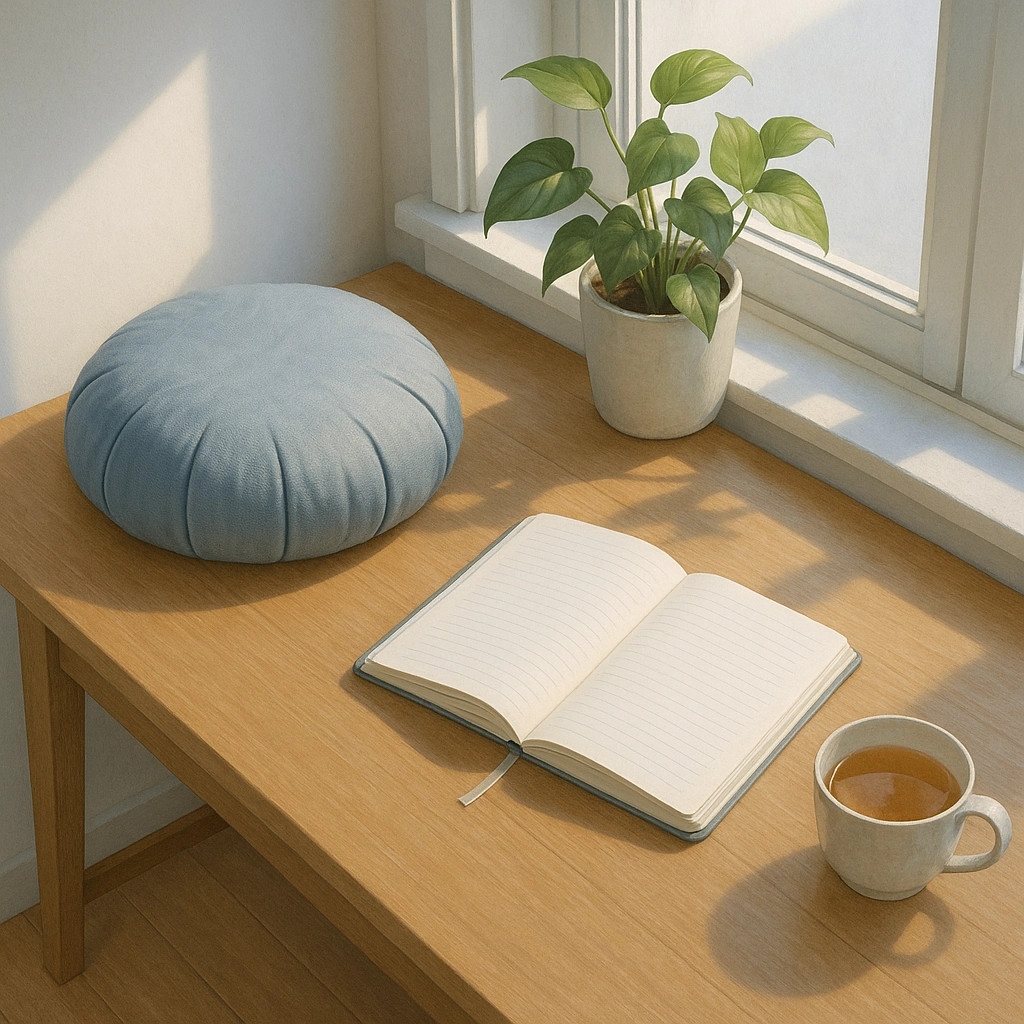
Understanding the question, “Are meditation and mindfulness the same thing?” might seem like splitting hairs, but it makes a difference for building your own wellness toolkit. If you view meditation as your exercise, and mindfulness as your everyday strength, you can use both together to create a balanced and resilient mind. After many years, I have found that developing both practices keeps stress manageable and infuses daily life with more peace.
If you would like to explore further, consider our blog posts on mindful leadership or yoga nidra and sleep.
Recent Comments