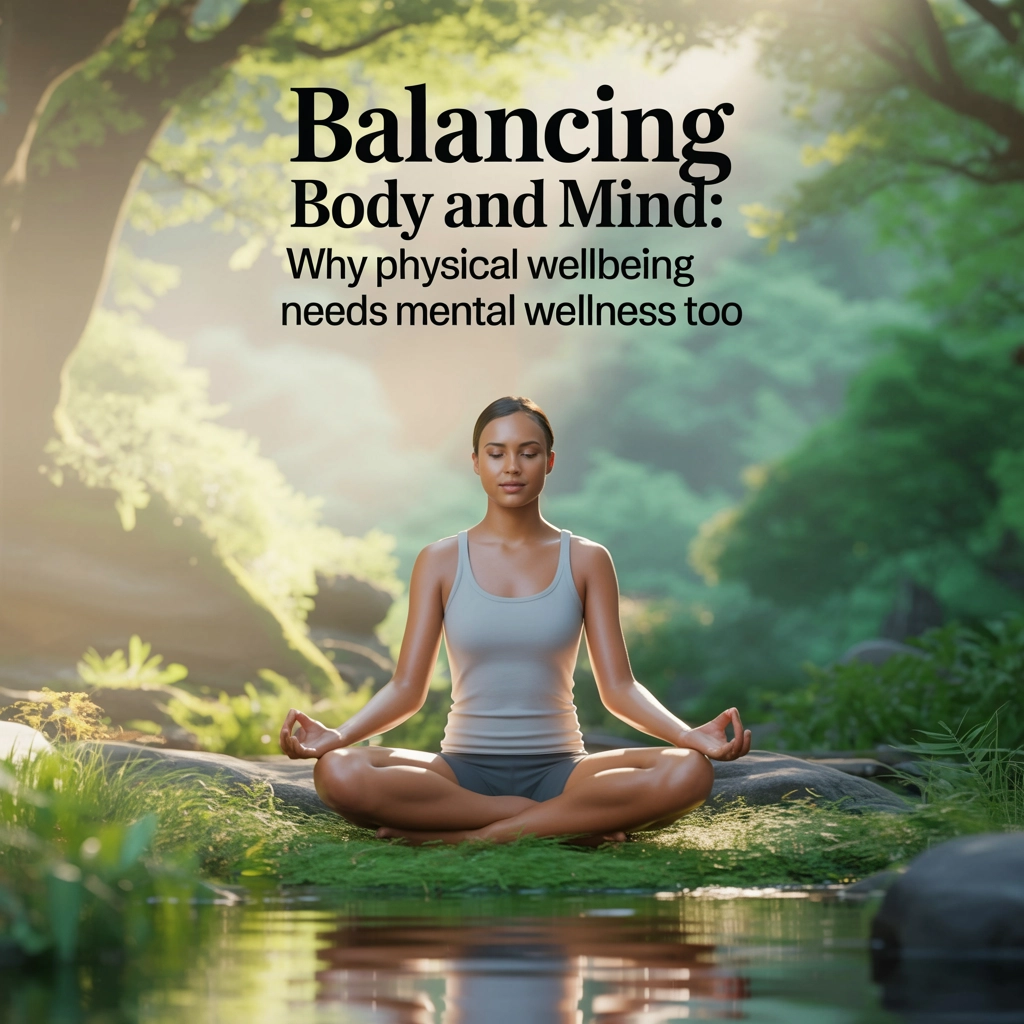
When it comes to overall health, it’s common to see people packing their weekly diary with gym sessions, fitness classes, and step challenges. The focus on physical wellbeing is rising fast, especially among Gen Z and Millennials. However, many are discovering that no matter how many miles you run or weights you lift, it does not guarantee you will feel calm, content, or resilient. Balancing body and mind is the real route to lasting wellness.
Why Focus on One When Both Matter?
Modern fitness culture has made strong bodies the goal. Scroll social media and you’ll find endless motivation to run, lift, or stretch. Yet, in the UK and beyond, rates of burnout and stress are also climbing. According to research by Country Living, wellbeing trends for 2025 highlight a paradox: as physical activity surges, so does the demand for mental health support, digital detox retreats, and stress relief practices.
Ignoring your mental health while chasing physical goals often results in feeling tired, anxious, or flat, even if your body looks its best. Balancing body and mind: why physical wellbeing needs mental wellness too, is not just a catchphrase; it’s the foundation for transformation.
The Mind-Body Relationship
Physical and mental wellbeing are deeply linked. When you look after your body, your brain chemistry shifts: exercise releases endorphins and helps regulate stress hormones like cortisol. However, when your mind is overloaded, it can sap your motivation to move, disrupt sleep, and even impact recovery after exercise.
A recent article in The Independent reports that wellbeing is evolving beyond simple fitness. More people are seeking a balanced approach where movement and mental clarity go hand in hand. This is what Balancing body and mind: why physical wellbeing needs mental wellness too looks like in practice.
The Risk of Burnout and the Importance of Balance
With so much pressure to achieve physically, many people end up pushing through fatigue and stress. This can lead to burnout. Even fitness lovers are not immune. Rising rates of mental exhaustion have been reported by large UK health clubs, as described in this Daily Mail article.
Research reveals that stress, poor mood, or unresolved emotions can directly impact physical health. Chronic stress has been linked to higher blood pressure, poorer immune function, and a greater risk of long-term illnesses (see this review on the NHS website). That’s why balancing body and mind: why physical wellbeing needs mental wellness too must become a daily practice, not an afterthought.
Practical Tips to Nurture Both Body and Mind
It’s easier than you think to bring more balance into your daily routine. Here are some calming, practical suggestions:
1. Try Meditation and Breathwork
Meditation and breathwork remain some of the simplest ways to calm the mind and soothe the nervous system. Just five minutes of slowing your breath each day can make a noticeable difference. For accessible guided breathwork, you can explore one-to-one private sessions with The Tranquil Mind.
2. Explore Yoga Nidra for Deep Rest
Yoga Nidra is a meditative, rest-focused practice known as “yogic sleep.” It is deeply restorative, shown to reduce stress and even improve sleep quality. Curious to try? Our community sessions and Yoga Nidra workshops in Worcester offer a gentle introduction.
3. Experience Sound Baths or Mindful Movement
Sound baths are trending in the UK, with more people attending group sessions to reduce tension and boost emotional wellbeing. Lying back and letting your body absorb gentle singing bowls or gongs creates a unique sense of calm. Find out why these sessions are in demand in our guide to sound baths or visit our upcoming events.
4. Reconnect with Nature
Recent research has shown that nature immersion, even short walks in a park, boosts mood and concentration, and lowers stress (see this report on forest bathing). Aim for 20 minutes outside, several times a week. Leave your phone at home if you can.
5. Practice Micro-Mindfulness
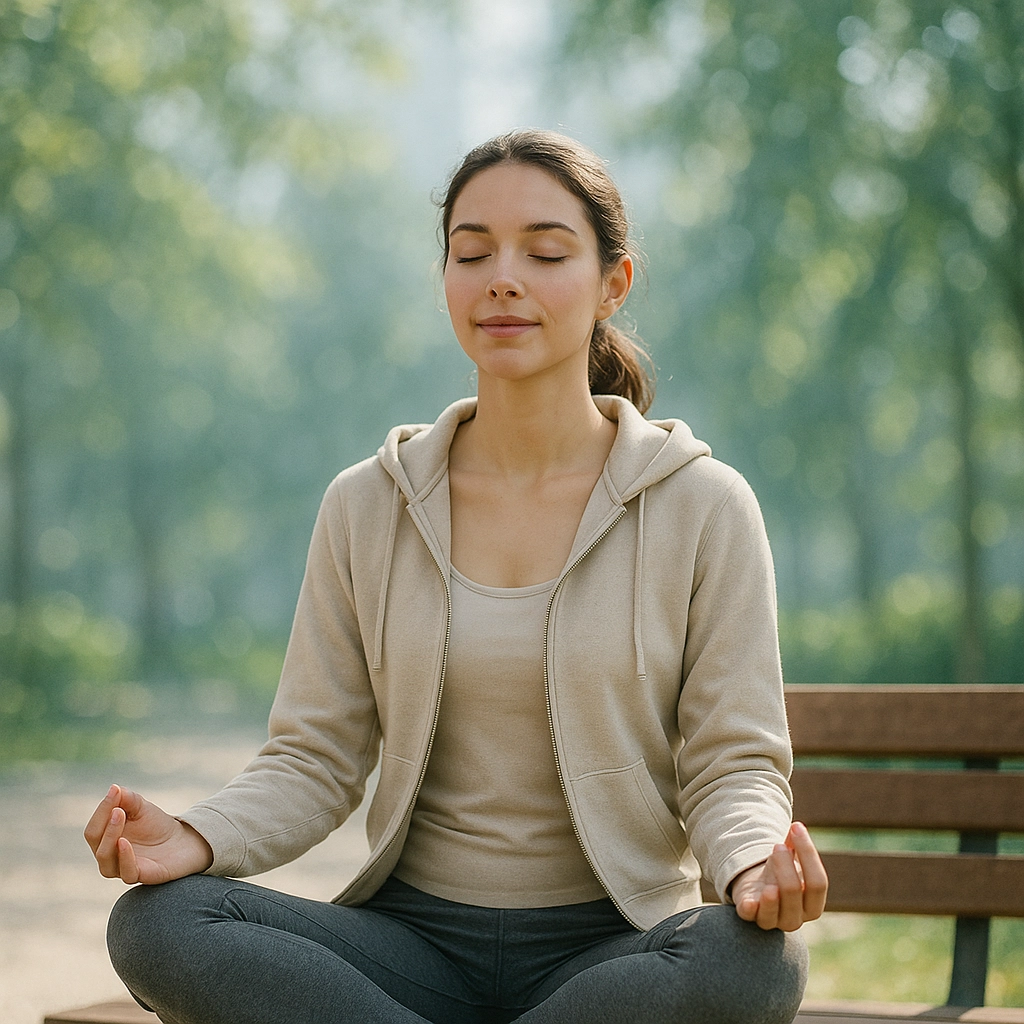
Micro-mindfulness breaks are easy pauses that let your mind reset in just 2–5 minutes. These brief practices, such as noticing your breath or stretching mindfully, are proven to help busy people manage their wellbeing. Read more about these in our digital detox tips.
How to Integrate Both Into Your Routine
Balancing body and mind: why physical wellbeing needs mental wellness too is about finding rituals that suit your lifestyle. A few ideas include:
- Swapping one high-intensity gym session each week for a restorative activity, like sound meditation or Yoga Nidra.
- Blocking out phone-free time to walk, stretch, or simply pause.
- Joining events that blend movement with mindfulness, such as community walks, group meditations, or sound baths.
- Checking in with yourself is important. Notice both your physical energy and your mood, and adjust your plans if you need a different type of support that day.

Community and Connection Matter, Too
True wellness never happens in isolation. Community support, whether in person or online, creates a feeling of belonging that benefits your mental health as much as your physical habits. Attending local workshops, joining a meditation group, or taking part in forest bathing can all strengthen your sense of connection.
At The Tranquil Mind, our events are designed to bring people together for shared rest, movement, and mindful exploration. You can find out what’s coming up on our events page.
Wellness Trends Point to Integration
This year’s headlines from wellbeing journals and news sites point towards rising demand for practices that address both mind and body. Workplace wellness initiatives, for example, now focus as much on emotional resilience as they do on exercise, recognising that staff can be physically fit yet still vulnerable to stress and low mood. See more on the shift in workplace support in the Meditopia article.
At the same time, private individuals are booking more sessions that mix gentler movement with emotional awareness. This focus is not just a trend; it’s the new blueprint for sustainable health.

Balancing Body and Mind
Balancing body and mind: why physical wellbeing needs mental wellness too is a message now being echoed by experts, health coaches, and ordinary people who want more than just fitness stats. Listening to both your body and your emotions, and responding kindly, keeps you resilient and energised in the face of life’s ups and downs.
If you want to stay in the loop with local sessions, mindfulness tips, and new research, sign up for our newsletter or keep in touch with The Tranquil Mind community.

References
Recent Comments