
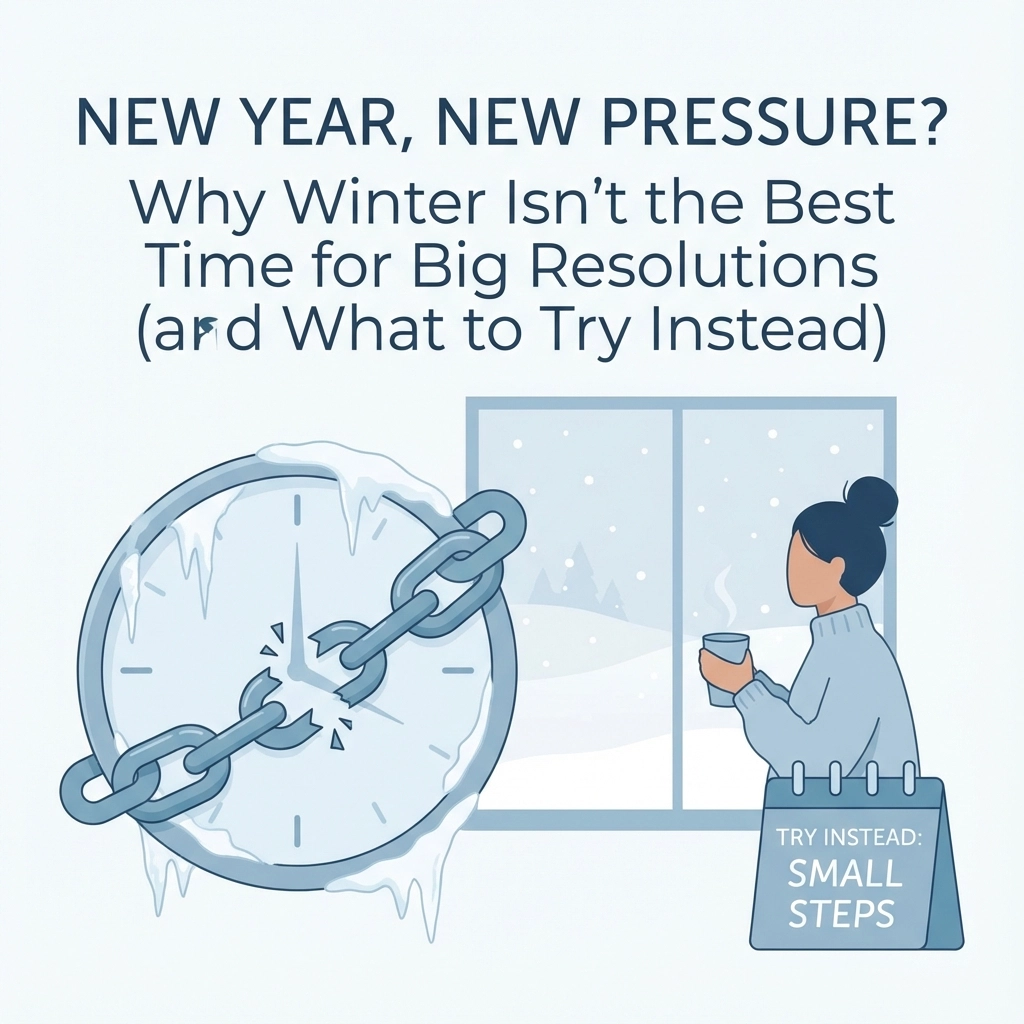
Here’s something I’ve been pondering as January looms: why do we insist on making massive life changes right when nature is telling us to slow down?
I mean, think about it. We’ve just emerged from the shortest day of the year, our bodies are naturally craving more sleep, and yet somehow we’ve collectively decided that January 1st is the perfect moment to completely overhaul our lives. It’s a bit mad when you really consider it.
Don’t get me wrong, I’m not anti-change or anti-improvement. Far from it. But after years of working with people through their wellness journeys here in Worcester, I’ve noticed something: the folks who try to force dramatic shifts in the depths of winter often end up feeling worse about themselves when February rolls around.
The Problem with Traditional New Year’s Resolutions
Let me share some rather sobering research. Studies tracking long-term success show that only about 19% of people actually keep their resolutions for two years. Even more telling, research published in the Journal of Clinical Psychology found that people’s resolution attempts often falter during winter months, influenced by seasonal mood changes and the body’s natural rhythms.
Here’s the thing that really gets me: most New Year’s resolutions are set up like corporate targets. “Lose 10 pounds.” “Run a marathon.” “Quit sugar completely.” They’re all about the end result, the shiny outcome we’re desperate to achieve. But what happens when life gets messy (which it always does), or when our motivation dips along with the January temperatures?
We give up. We feel rubbish about ourselves. And we wait another 11 months to try again.
Why Winter Calls for a Different Approach
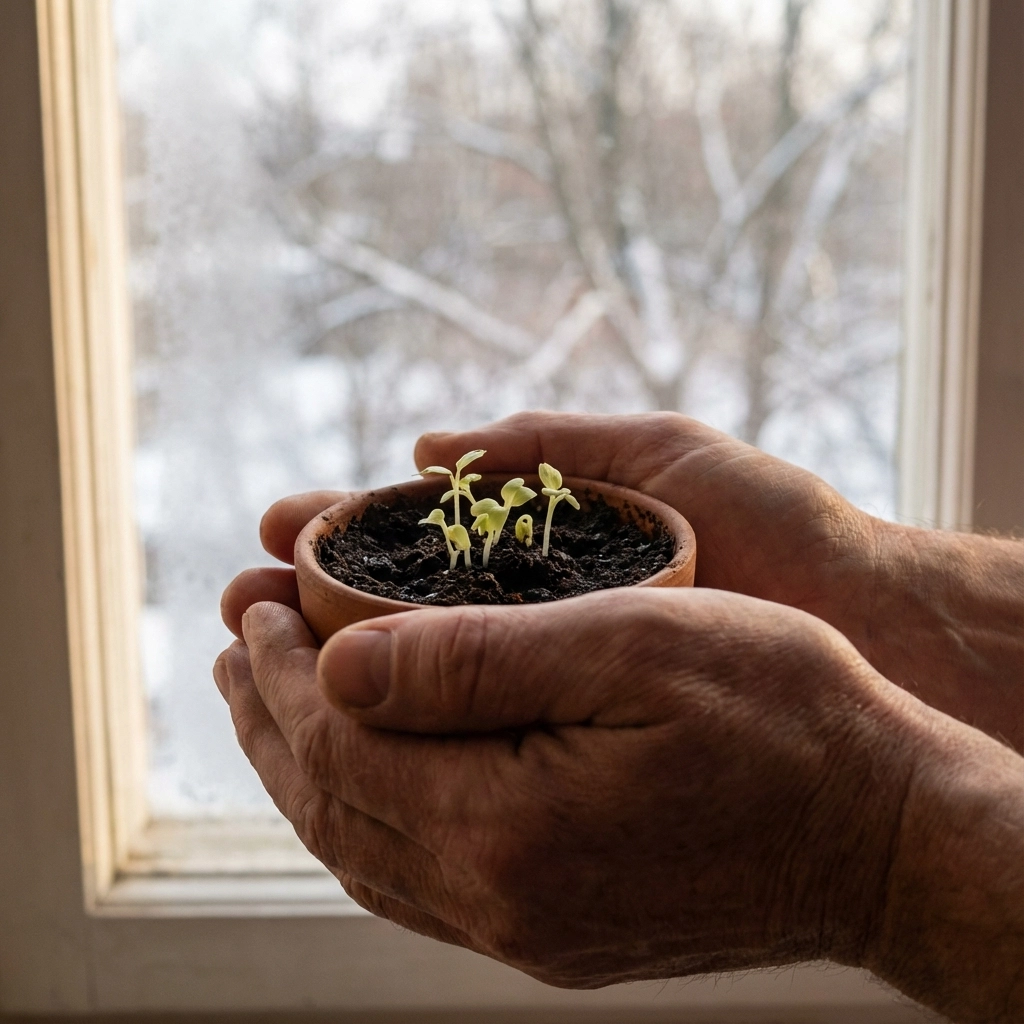
I’ve been fascinated by seasonal rhythms lately, especially after reading research on Seasonal Affective Disorder treatments. The evidence is pretty clear: winter naturally affects our mood, energy, and motivation levels. Our ancestors didn’t try to start new fitness regimes in January. They conserved energy, reflected on the year past, and prepared for the renewal that spring would bring.
Yet here we are, fighting against millions of years of evolution because someone decided January 1st was arbitrary resolution day.
What if, instead of forcing change during nature’s rest period, we used winter for what it’s actually designed for? Gentle reflection, restoring our energy reserves, and perhaps most radically: accepting that rest is productive.
The Magic of Process Over Outcome
This is where the research gets really interesting. Studies on goal achievement consistently show that process-focused approaches significantly outperform outcome-focused ones, particularly for complex behavioural changes that require sustained effort over time.
What does this look like in practice? Instead of “I will lose 2 stone this year,” try “I will move my body in a way that feels good each day.” Rather than “I will meditate for 30 minutes daily,” perhaps “I will pause and breathe mindfully when I feel overwhelmed.”
The difference is profound. Process goals acknowledge that life is messy, that some days are harder than others, and that progress isn’t always linear. They’re kinder, more sustainable, and frankly, much more realistic for those of us living in the real world rather than a wellness Instagram feed.
Research on planfulness shows that people who focus on daily processes rather than distant outcomes develop better self-regulatory skills and achieve more consistent results over time.
What to Try Instead of Traditional Resolutions
So what might winter wellness actually look like? Here are some gentler approaches I’ve seen work beautifully:
Start stupidly small. Want to meditate more? Begin with literally one conscious breath when you wake up. That’s it. Build the neural pathway first, worry about duration later.
Embrace seasonal rhythms. Use winter for restorative practices. This might be yoga nidra sessions, longer baths, or simply going to bed 15 minutes earlier. Fighting your body’s natural inclination to slow down is like swimming upstream in winter boots.
Focus on adding rather than subtracting. Instead of eliminating things (which feels punitive), add nourishing practices. A morning cup of tea without checking your phone. A five-minute walk outside, regardless of weather. Small additions feel less threatening to our nervous systems than dramatic deletions.

Create tiny rituals that honour the season. Light a candle during your evening meal. Write three things you’re grateful for before sleep. These aren’t grand gestures, but they’re consistent practices that anchor you through winter’s natural ups and downs.
The key is working with your energy, not against it. I’ve noticed that people who embrace winter’s contemplative nature often emerge in spring with clearer intentions and stronger foundations for change.
The Research Backs Gentleness
What’s particularly encouraging is that modern psychology is catching up with what many traditional cultures have always known: seasonal awareness matters for mental health and wellbeing.
Studies consistently show that forcing dramatic behavioural changes during periods of naturally lower energy and motivation leads to higher failure rates and decreased self-efficacy. It’s not that we’re weak or lacking willpower. We’re simply working against natural rhythms that have kept humans alive for millennia.
Instead, research suggests that gradual, process-oriented approaches during winter months can actually set us up for more successful transformations when our energy naturally returns in spring.
A Different Kind of New Year
What if this year, instead of dramatic New Year’s resolutions, we embraced winter for what it offers: a chance to rest, restore, and gently prepare for the growth that spring will invite?
This doesn’t mean becoming completely inactive or abandoning all intentions for positive change. It means being strategic about timing and approach. It means choosing sustainability over dramatic gestures.
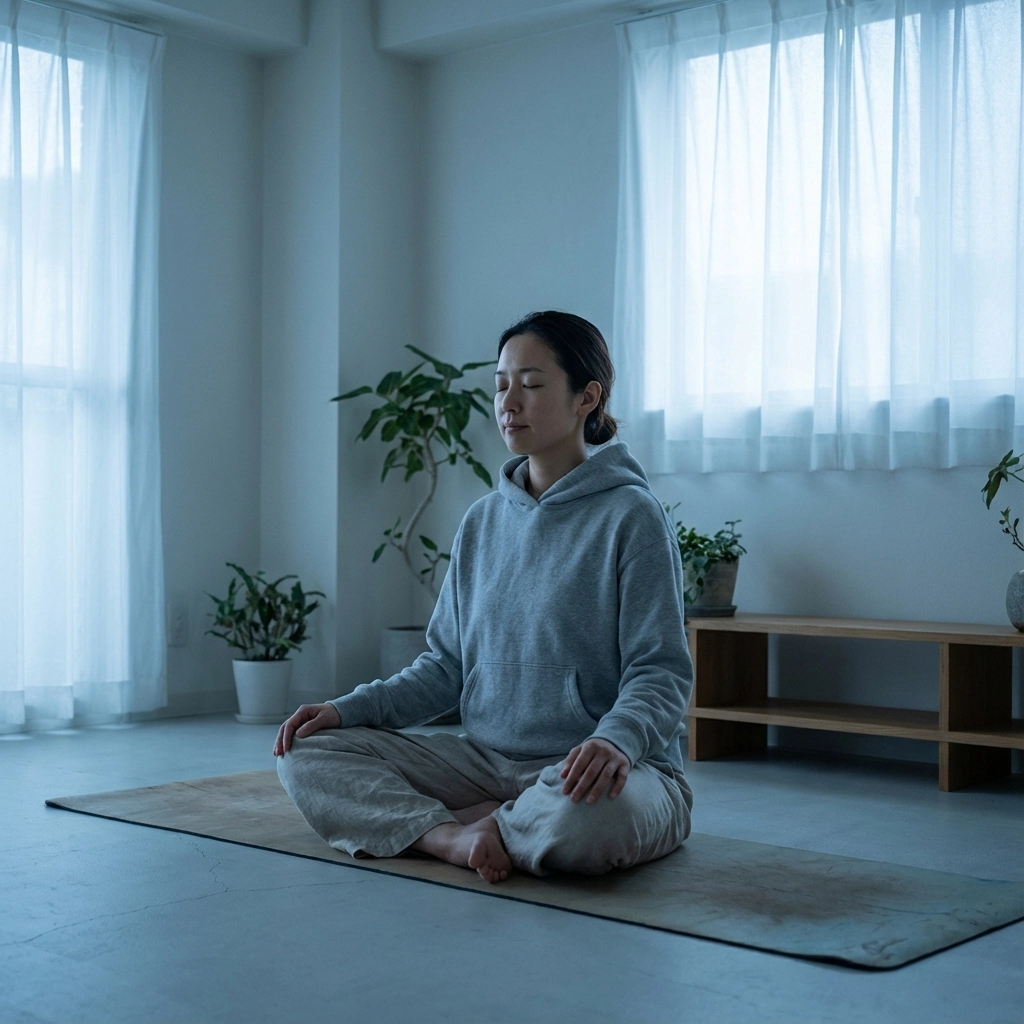
Speaking of gentle approaches to wellness, I’m delighted to share that our Sound Asleep sessions will be returning on January 21st. These evening sessions are designed exactly with winter’s energy in mind: deeply restorative, nurturing, and focused on the kind of gentle renewal that actually serves us during these darker months.
The Wisdom of Waiting
Sometimes the most radical thing we can do is wait. Wait for spring’s energy to support our bigger changes. Wait for our motivation to align with our intentions. Wait for the right timing rather than the “right” date on a calendar.
This isn’t procrastination. It’s wisdom. It’s understanding that sustainable change requires the right conditions, much like a garden needs the right season to flourish.
The pressure to transform ourselves every January is just another way our culture demands productivity even when nature calls for rest. But what if we refused to participate in this collective delusion? What if we honoured winter as a time for gentle preparation rather than dramatic action?
Your future self, emerging refreshed and ready in spring, will thank you for the kindness you show yourself now. And isn’t that a resolution worth keeping?
For those ready to explore gentler approaches to wellness this winter, feel free to explore our events designed specifically with seasonal wellbeing in mind.
Stay warm, stay gentle, and remember: rest is not giving up. It’s getting ready.
Recent Comments