The Ancient Practice Meeting Modern Science
In our fast-paced, always-connected world, quality sleep has become something of a luxury so I thought I’d share something from my experience of delivering sound baths and yoga nidra sessions in Worcester and beyond. Many of us toss and turn at night, our minds racing with the day’s events or tomorrow’s to-do lists. But what if an ancient practice, thousands of years old, holds the key to unlocking deeper, more restorative sleep? And what if modern science is now confirming what yogis have known for centuries?
Yoga Nidra, often translated as “yogic sleep,” is experiencing a renaissance as researchers discover its profound impacts on our sleep architecture and cognitive function. At The Tranquil Mind Sound Asleep Sessions, I’ve witnessed firsthand how this practice transforms sleep patterns and overall well-being. Let’s explore how this ancient technique, similar to a guided meditation, intersects with cutting-edge sleep science to offer solutions for our modern sleep crisis.
Understanding Yoga Nidra: More Than Just Relaxation
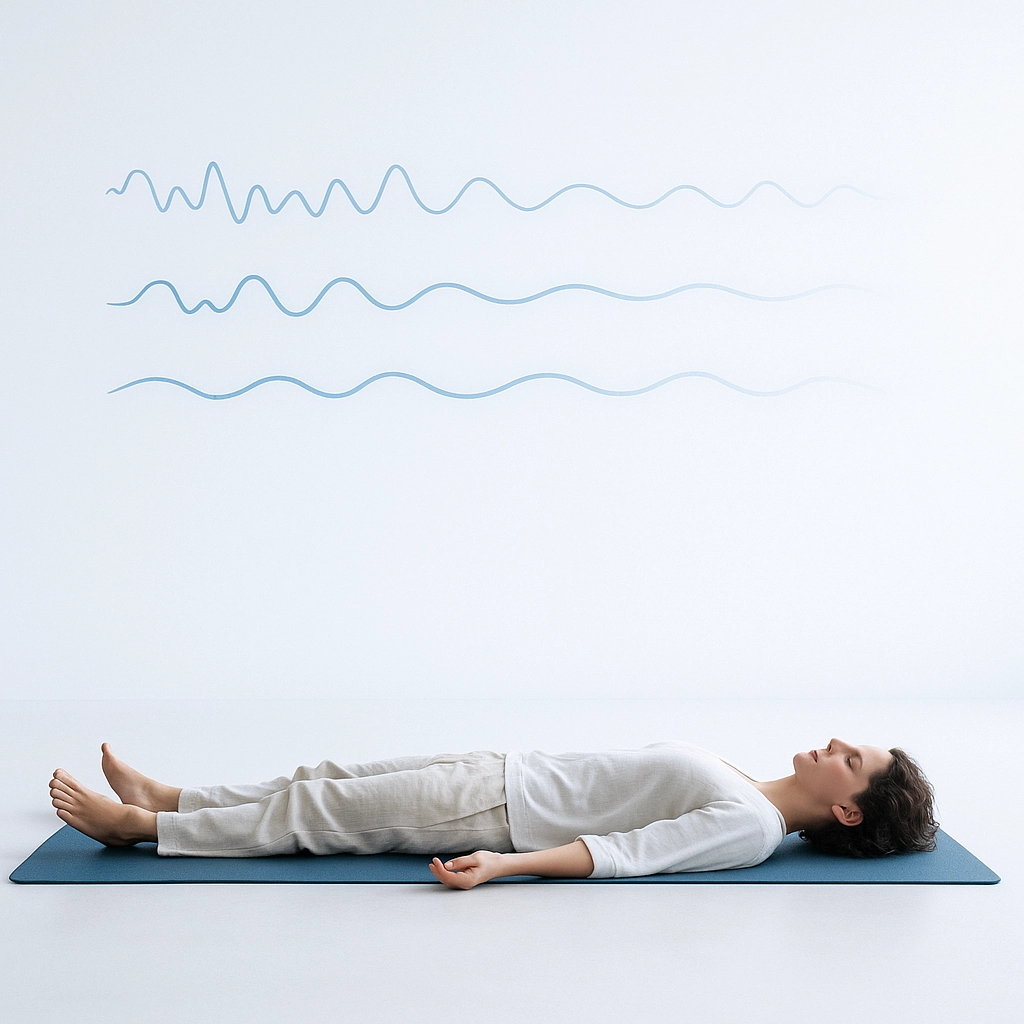
Yoga Nidra isn’t your typical meditation practice. Unlike active yoga or seated meditation, Yoga Nidra is practised lying down in a comfortable position. It guides practitioners through a systematic process of complete physical, mental, and emotional relaxation while maintaining a state of inner awareness.
The practice typically involves:
- A comfortable lying position (savasana)
- Guided body scanning and rotation of consciousness
- Breath awareness techniques
- Visualization exercises
- Integration of intentions (sankalpa)
What makes Yoga Nidra unique is that it guides you to the edge of sleep without losing consciousness. You enter a state between wakefulness and dreaming, where your body completely relaxes while your mind remains subtly aware.
The Sleep Science Connection: What Happens in Your Brain
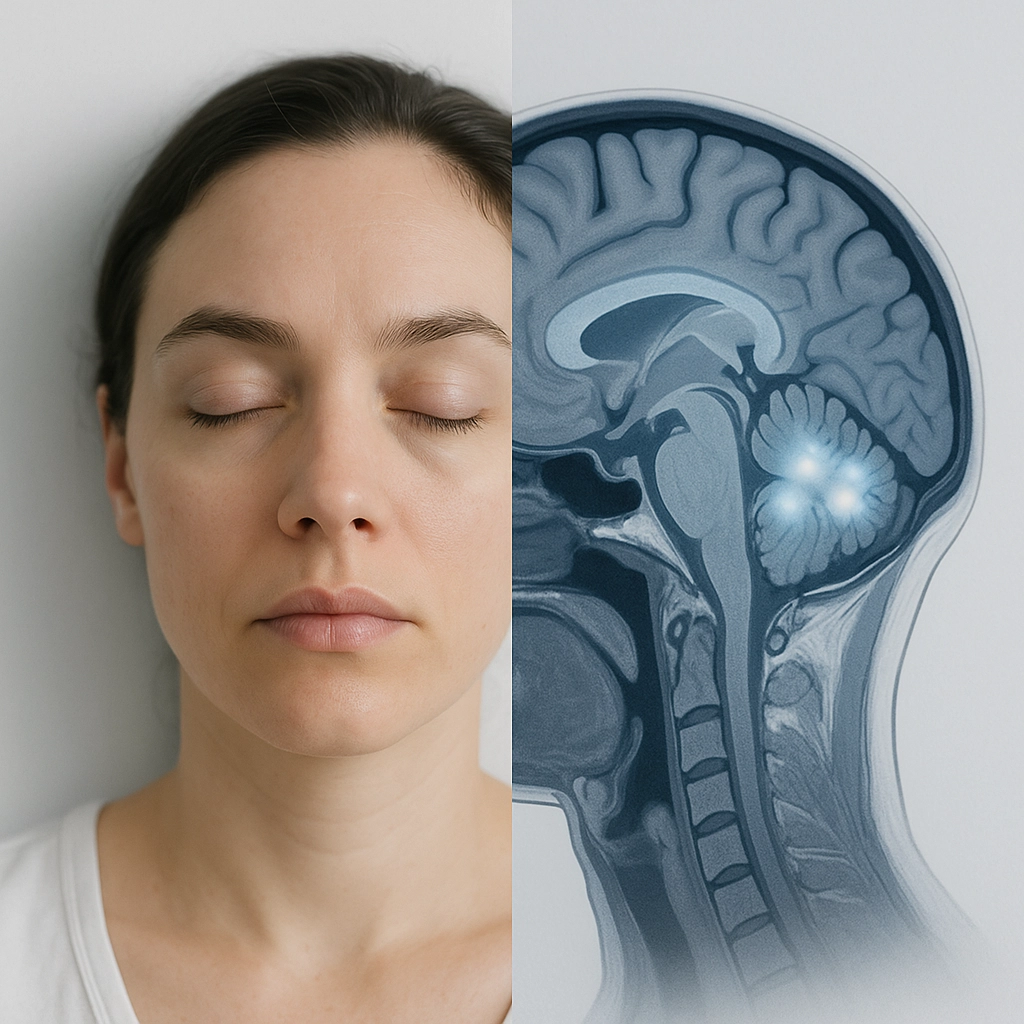
Recent scientific studies have unveiled fascinating connections between Yoga Nidra and sleep quality. A 2023 study published in ScienceDaily found that just two weeks of 20-minute daily Yoga Nidra sessions significantly increased delta wave activity in the brain.
These delta waves are the signature of deep, slow-wave sleep—the most restorative phase of our sleep cycle and crucial for:
- Memory consolidation
- Cognitive processing
- Emotional regulation
- Immune system functioning
“What’s remarkable about Yoga Nidra is that it appears to induce slow-wave sleep patterns while the practitioner remains conscious,” explains Dr. Elizabeth Markham, a neuroscientist specialising in sleep disorders. “This gives us a unique opportunity to access the benefits of deep sleep states without actually falling asleep.”
The physiological mechanisms are fascinating. Yoga Nidra works by:
- Calming the autonomic nervous system: The practice reduces sympathetic (“fight or flight”) activity while increasing parasympathetic (“rest and digest”) dominance.
- Balancing brain chemistry: Research suggests Yoga Nidra may increase GABA levels, a neurotransmitter that inhibits nervous system activity and promotes relaxation.
- Synchronizing brain waves: The guided nature of the practice helps harmonize brain activity across regions, promoting more coherent neural functioning.
A 2024 study in Nature further confirmed these benefits, showing that participants who completed a two-week Yoga Nidra course experienced significant improvements in slow-wave sleep, which directly enhanced cognitive tasks requiring attention and memory.
Beyond Better Sleep: Cognitive and Emotional Benefits
The benefits of integrating Yoga Nidra into your routine extend far beyond just better sleep. The cognitive improvements documented in research are particularly compelling:
- Enhanced processing speed: Participants demonstrated faster cognitive response times while maintaining accuracy.
- Improved working memory: Tests showed better retention and recall abilities after regular practice.
- Better emotional regulation: Practitioners reported reduced stress and anxiety levels, likely due to the combination of improved sleep quality and the meditative aspects of the practice.
A qualitative study from 2021 published in PMC found that individuals struggling with insomnia considered Yoga Nidra a promising treatment due to its accessibility and ability to induce relaxation. Many participants reported falling asleep more easily and experiencing more restorative rest after incorporating the practice.
“I was sceptical at first,” shared a regular participant at The Tranquil Mind’s Sound Asleep sessions. “But after following Ian’s advice in a session and commiting to a regular practice, I noticed I was falling asleep faster and waking up feeling genuinely refreshed for the first time in years.”
The Bridge Between Ancient Wisdom and Modern Application
What makes Yoga Nidra particularly relevant today is how it bridges ancient wisdom with contemporary needs. While its roots trace back thousands of years in yogic traditions, modern Yoga Nidra has evolved to incorporate evidence-based relaxation techniques.
This blend of traditional and modern approaches has expanded its applications beyond typical wellness settings. The U.S. Army has implemented Yoga Nidra as part of recovery programs for soldiers with PTSD, and clinical psychologists increasingly recommend it as a complementary approach for anxiety and insomnia.
The practice’s accessibility is another key factor in its growing popularity. Unlike many meditation techniques that require years of practice to master, most people experience the benefits of Yoga Nidra from their very first session.
How to Begin Your Yoga Nidra Practice
If you’re interested in experiencing the sleep-enhancing benefits of Yoga Nidra, here’s how to get started:
- Find a comfortable space: Choose a quiet room where you won’t be disturbed for at least 30 minutes.
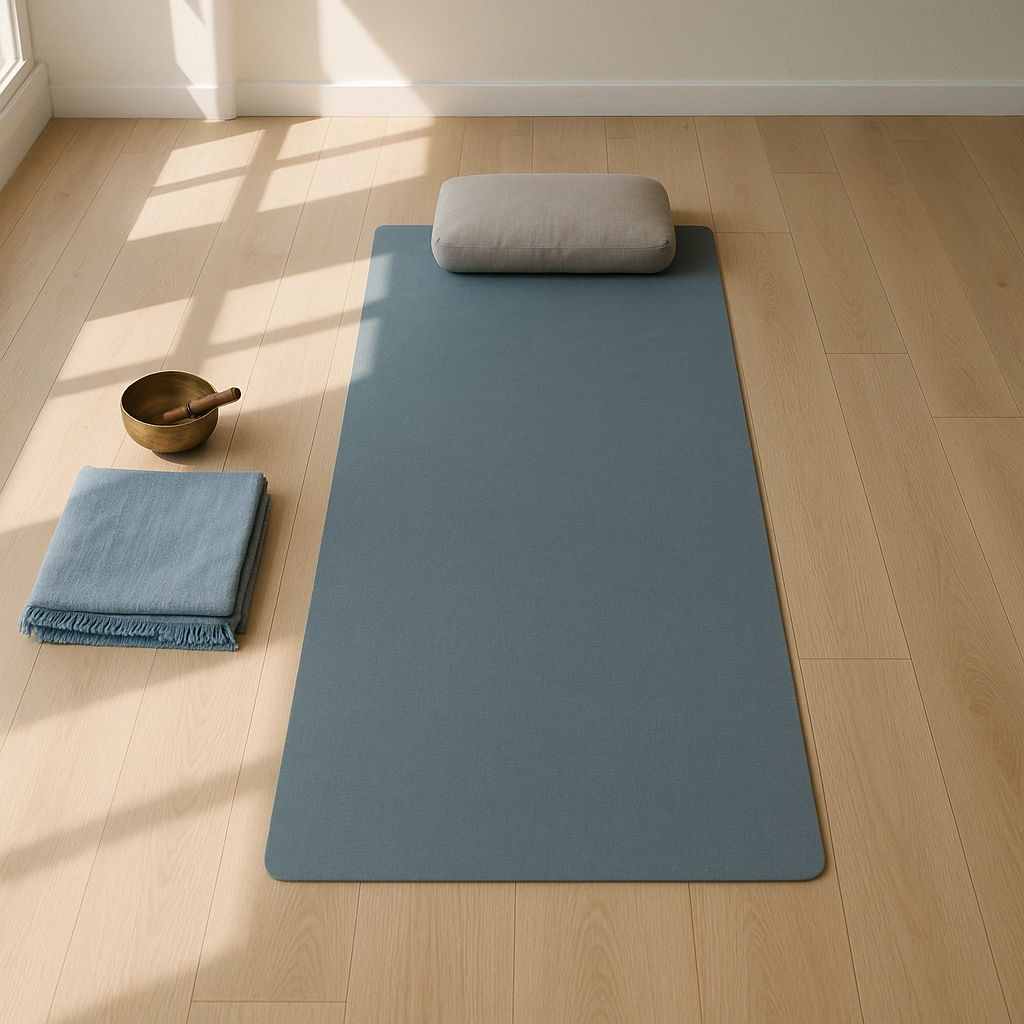
- Prepare your body: Lie down on a yoga mat or comfortable surface. Use pillows or bolsters to support your body as needed. Cover yourself with a light blanket as body temperature often drops during practice.
- Choose a guided recording: For beginners, guided sessions are essential. Look for recordings between 20-45 minutes from qualified instructors.
- Set an intention: Before beginning, take a moment to set a positive intention for your practice. This could be related to sleep, personal growth, or any area of your life.
- Follow the guidance: Allow yourself to be led through the practice, maintaining awareness without effort.
- Be consistent: Research shows that regular practice (3-5 times weekly) yields the most significant benefits for sleep quality.
At The Tranquil Mind, our monthly Sound Asleep Experience combines Yoga Nidra with sound healing for an enhanced experience that many participants find particularly effective for deep relaxation and sleep improvement.
A Science-Backed Approach to Ancient Wisdom
What makes the marriage of Yoga Nidra and modern sleep science so powerful is the validation it provides. While practitioners have reported its benefits for centuries, we now have empirical evidence explaining how and why it works.
The science reveals that Yoga Nidra:
- Increases slow-wave sleep by up to 65% with regular practice
- Enhances parasympathetic nervous system activity
- Reduces cortisol levels associated with stress and sleep disruption
- Improves hippocampal function related to memory formation
This scientific validation helps demystify the practice and makes it accessible to those who might otherwise dismiss meditation as purely spiritual or lacking evidence.
Integrating Yoga Nidra Into Your Sleep Routine
For maximum benefit, consider how Yoga Nidra might fit into your existing sleep routine:
- Early evening practice: A session 2-3 hours before bedtime can help transition your nervous system toward sleep mode while still allowing you to complete evening activities.
- Bedtime ritual: Practicing right before sleep can help those with insomnia or anxiety about falling asleep.
- Midday reset: A short midday practice can provide similar benefits to a nap without the grogginess.
- Stress response: Having a recorded session ready for high-stress days can help prevent stress-related sleep disruption.
Many of our clients at The Tranquil Mind report that combining Yoga Nidra with other sleep hygiene practices—like consistent sleep-wake times, limited screen exposure before bed, and a cool, dark sleeping environment—amplifies the benefits significantly.
The Future of Sleep: Ancient Wisdom Meets Modern Technology
As sleep science advances, researchers continue to discover new ways that ancient practices like Yoga Nidra complement modern approaches to sleep health. Some sleep clinics now offer Yoga Nidra alongside cognitive behavioral therapy for insomnia, finding that the combination yields better results than either approach alone.
Wearable technology is also beginning to incorporate elements inspired by Yoga Nidra, with guided body scans and breath awareness being integrated into sleep apps and devices. This technology-enhanced approach makes the practice even more accessible to those new to meditation.
The most exciting aspect of this convergence between ancient wisdom and modern science is that it offers a non-pharmaceutical approach to better sleep in a world where sleep medication use continues to rise, often with concerning side effects.
Experience the Benefits Yourself
At The Tranquil Mind, we believe in the power of experience over explanation. While the science behind Yoga Nidra is fascinating, its true value becomes apparent when you feel its effects firsthand.
Whether you’re struggling with occasional sleeplessness or chronic insomnia, seeking cognitive enhancement or simply deeper relaxation, Yoga Nidra offers a practice supported by both ancient wisdom and modern research.
Join us for a monthly sound bath at The Fold or contact Ian directly to book a private session to experience how this powerful practice can transform your relationship with sleep and enhance your overall wellbeing.
Sleep well, live well.
References:
- Nature (2024). “Two-Week Yoga Nidra Course Improves Deep Sleep and Cognitive Function in Healthy Individuals.”
- PMC (2021). “Qualitative Study on Yoga Nidra as a Promising Treatment for Insomnia.”
- ScienceDaily (2023). “Short Yoga Nidra Sessions Increase Delta-Waves and Improve Memory and Decision-Making.”
- Wikipedia. “Yoga Nidra: Historical Context and Modern Applications.”
Recent Comments